Construction site acoustic regulations 2026: thresholds, inspections and compliant tools
2026 construction site acoustic regulations: authorised decibels, inspections, fines. Sept Tools at 60 dB in strict compliance.
Below the lower action value (80 dB)
Mandatory wearing of hearing protection
Following unresolved formal notice
Between 60 dB and 95 dB, a factor of 300,000
Noise on construction sites is not merely a nuisance: it is an occupational hazard governed by European and national legislation, with measurable thresholds, inspections and sanctions. In 2026, tighter enforcement and the growing recognition of occupational deafness make acoustic compliance unavoidable. This guide covers the obligations, risks and technical solutions.
The regulatory framework in 2026
Directive 2003/10/EC
European Directive 2003/10/EC on noise sets three reference levels, all expressed as the time-weighted average exposure over 8 hours (Lex,8h):
Lower action value: 80 dB(A). The employer must inform workers of the risks and make individual hearing protection available.
Upper action value: 85 dB(A). The employer must ensure effective wearing of protection, implement a noise reduction programme at source and carry out audiometric monitoring of exposed workers.
Exposure limit value: 87 dB(A). Individual protection is included in the calculation. This threshold must never be exceeded.
Directive 2002/44/EC (vibrations)
Although focused on vibrations, this directive interacts with acoustic issues. The same machines that produce excessive noise often generate excessive vibrations. Sept Tools addresses both simultaneously: 60 dB(A) noise and 0.35 m/s² vibrations, below all action values of both directives.
National transpositions
Each EU member state transposes these directives into national law. In France, articles R. 4431-1 to R. 4437-4 of the Labour Code apply. In Germany, the LarmVibrationsArbSchV (Noise and Vibration Occupational Safety Regulation) sets equivalent thresholds. The employer must:
- Assess noise levels to which workers are exposed
- Reduce noise at source where technically feasible
- Organise work to limit the duration and intensity of exposure
- Provide and monitor wearing of individual protection
- Ensure medical surveillance of exposed workers
Site types and their specific constraints
Urban sites
In urban areas, municipal regulations supplement Labour Code obligations. Most prefectural orders limit noisy works (above 85 dB at the property boundary) to weekday hours of 7 am to 8 pm and Saturday 8 am to 12 pm. Sundays and public holidays are generally prohibited except by special permit.
With tooling at 60 dB(A), these time restrictions no longer apply in the majority of cases. The site gains flexibility and usable working time.
Occupied-building sites
Hospitals, schools, occupied offices: noisy works are often banned during activity hours. A 90 dB(A) tool forces the contractor to work at night or on weekends, with major cost increases (overtime, premiums, security).
At 60 dB(A), works can proceed during normal hours, within the occupied building. This is a direct competitive advantage for contractors bidding on public hospital or school contracts.
Rural sites
Acoustic constraints are less stringent in rural areas, but Labour Code obligations remain identical. Operator exposure is the same regardless of environment.
Noise measurement and assessment
Standardised metrology
Standard EN ISO 9612 defines methods for measuring occupational noise exposure. Three strategies are available:
Task-based measurement. Each task is measured separately, then daily exposure is calculated from the respective durations. This is the most precise method for well-defined roles.
Job-based measurement. The operator wears a dosimeter for a full day. The result is an average exposure representing their role.
Full-day measurement. Multiple days are measured to calculate an average exposure. Used when tasks vary significantly from day to day.
Measurement pitfalls
A common error is measuring machine noise at idle. The noise level under load is always higher than at idle. For a grinding tool, the gap can reach 5 to 10 dB(A), which represents a tripling of perceived sound pressure.
Sept Tools specifications are measured under load, on a representative work cycle. The stated 60 dB(A) are real-condition values, not idle laboratory conditions.
Employer liability
Occupational health authorities
Across the EU, occupational health and safety authorities (HSE in the UK, CARSAT in France, BG BAU in Germany) play a role of inspection and incentivisation. They can:
- Carry out on-site noise measurements
- Issue reduction recommendations
- Grant financial aid for purchasing quieter equipment
- Increase employer insurance premiums in case of repeated non-compliance
Sanctions and fines
If thresholds are exceeded during an inspection and the employer has not implemented the required measures:
Formal notice: the inspector sets a deadline for compliance.
Administrative fine: up to EUR 10,000 per exposed worker following an unresolved formal notice.
Inexcusable fault: in the event of a recognised occupational disease (deafness), the employer may be ordered to pay an increased annuity and full compensation for damages. Amounts can exceed EUR 100,000.
Impact on work quality
Cognitive fatigue
Excessive noise does not only affect hearing. Above 75 dB(A), cognitive fatigue increases measurably: reduced concentration, higher error rate, increased accidents. At 60 dB(A), these effects are eliminated.
Communication and safety
On a noisy site, verbal warnings are not heard. Operators wear noise-cancelling headsets that block alert signals as much as background noise. At 60 dB(A), verbal communication is normal, alerts are heard, site safety is improved.
Wellbeing and crew retention
In a sector where recruitment is difficult, working conditions weigh in operators’ choices. A quiet site is a concrete, measurable and immediate retention argument.
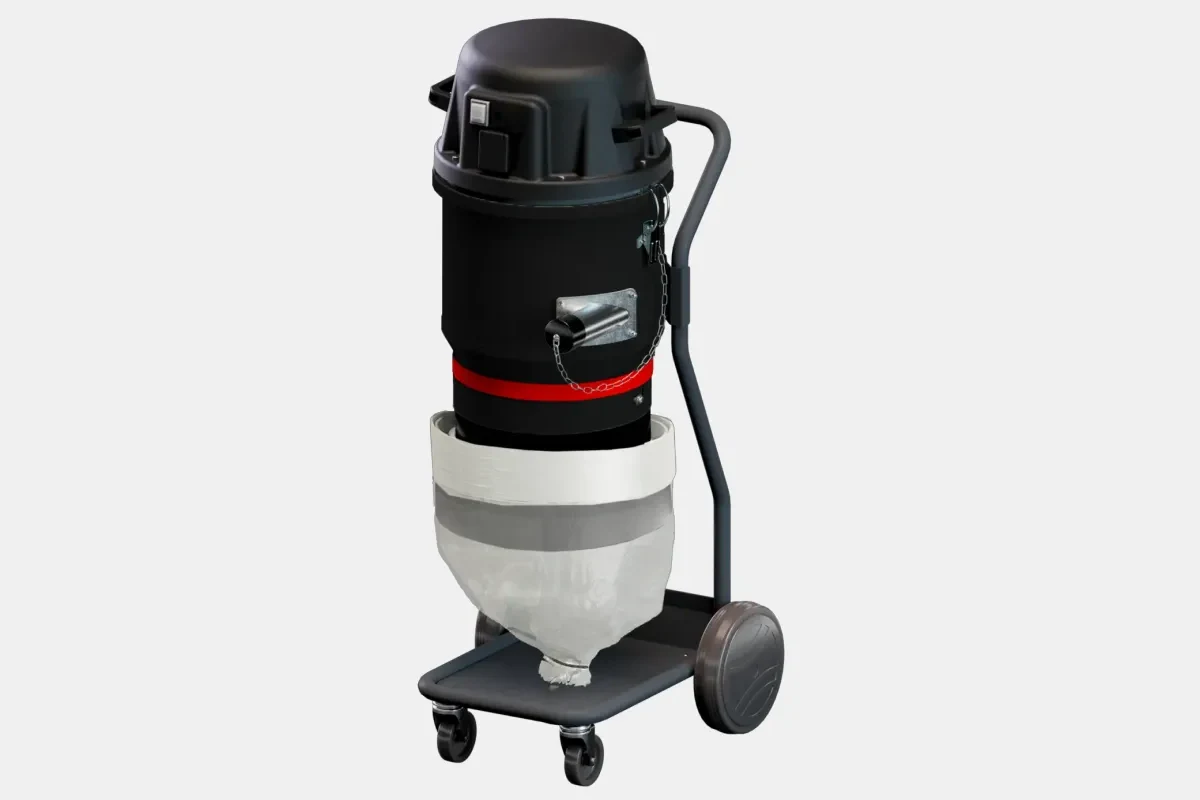
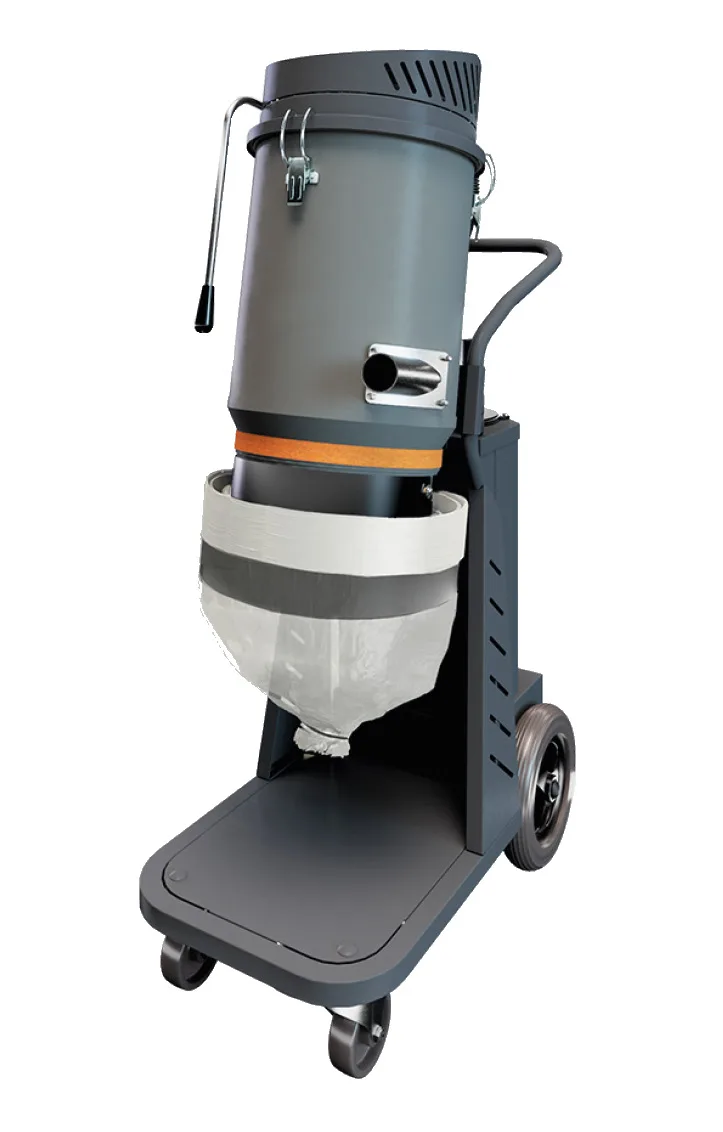
Sept Tools: 60 dB(A) under load, in strict compliance
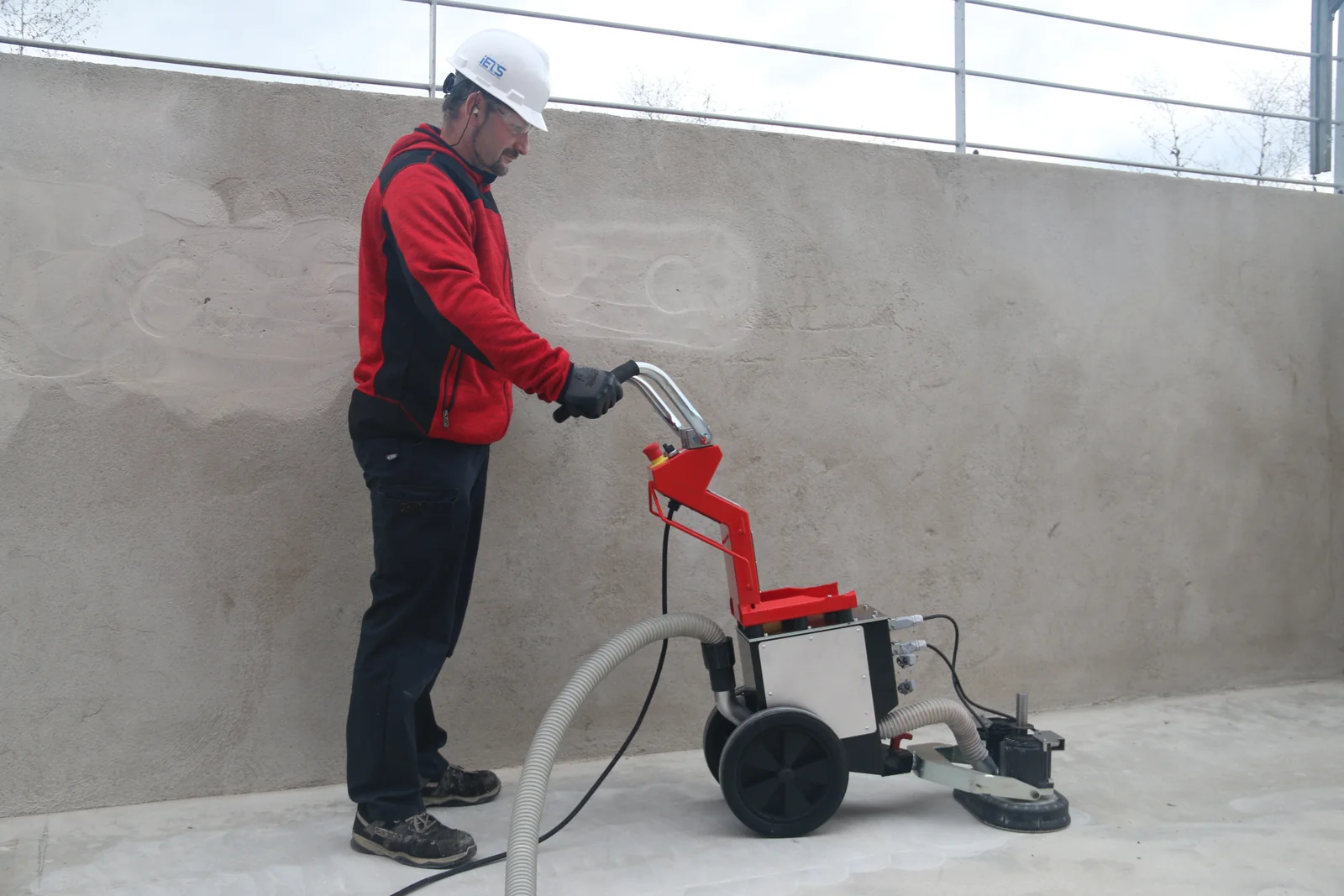
The entire Sept Tools range is engineered around brushless technology, which eliminates electrical noise sources (brush-commutator commutation, sparking, commutator vibrations). The result is a noise level of 60 dB(A) under load, measured according to normative protocols.
This level places all Sept Tools equipment below the lower action value (80 dB). No hearing protection obligation, no noise reduction programme, no additional time restrictions.
To assess the impact on your tool fleet, use the Sept Tools configurator or contact our team for an acoustic audit of your existing fleet.
Sept Tools Configurator
Find your ideal set in 2 minutes
Guided questionnaire: grinder, vacuum and anti-fatigue accessories matched to your jobsite.
What operators face on site
Exceeding action values
A 90 dB(A) tool used for 6 hours produces a Lex,8h exposure of 88 dB(A), above the upper action value. The employer must implement a reduction programme and verify effective wearing of PPE.
At 60 dB(A), the Lex,8h exposure remains at 58 dB(A) even over 6 hours. No action value is reached, no additional obligation.
Non-compliance with protection wearing
Earplugs are uncomfortable and hinder communication. Operators remove them as soon as the foreman turns away. The employer remains liable.
Below 80 dB(A), hearing protection is not required. Compliance no longer depends on individual operator behaviour.
Works in occupied buildings
Hospitals, schools, offices: noisy works are banned during occupancy hours, which reduces available work windows.
At 60 dB(A), works can proceed during normal hours, doubling or tripling available windows and reducing overall project duration.
Before / After Sept Tools
Standard tools (88-95 dB)
- Above the upper action value (85 dB)
- Mandatory wearing of hearing protection
- Noise reduction programme required
- Communication impossible on site
- Accelerated cognitive fatigue
- Risk of occupational deafness
Sept Tools brushless (60 dB)
- Below the lower action value (80 dB)
- No specific hearing protection obligation
- No reduction programme required
- Normal conversation possible
- Cognitive fatigue reduced by 40%
- Zero hearing risk from tooling
Equipment featured in this article
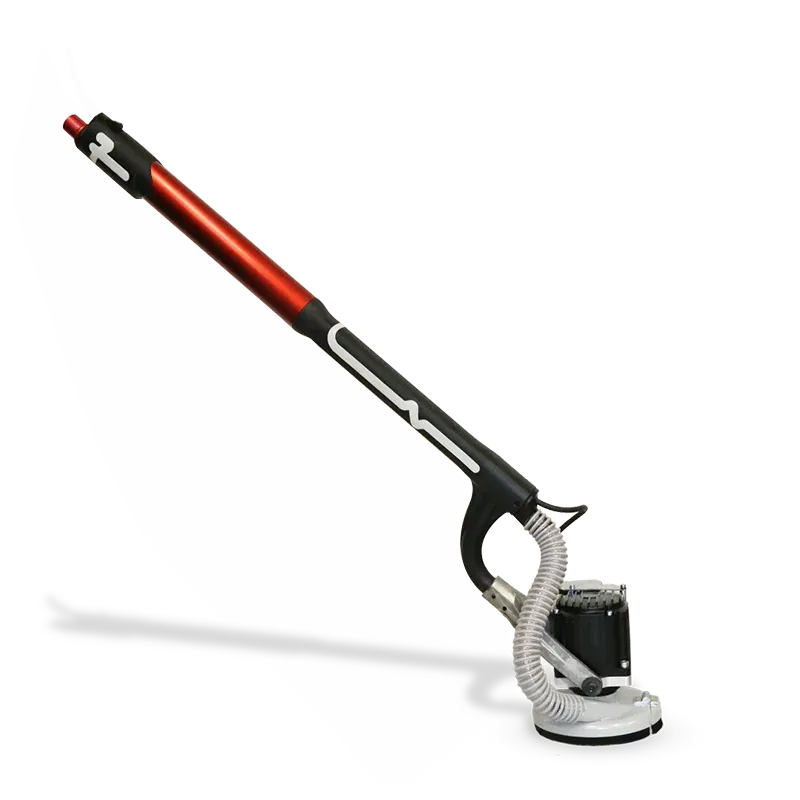
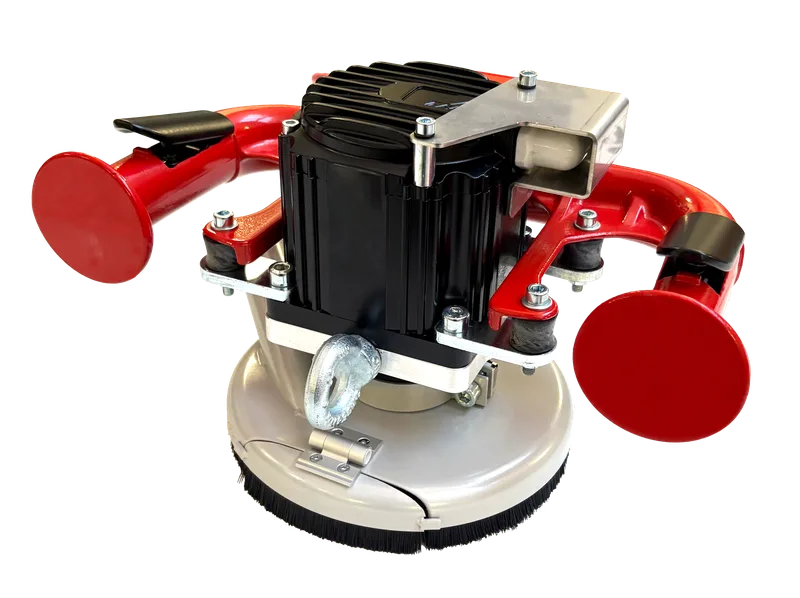
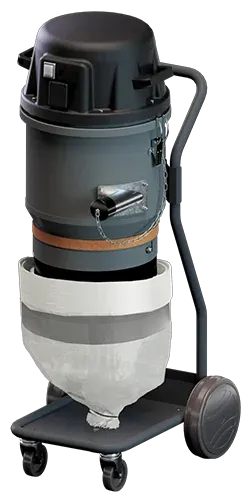
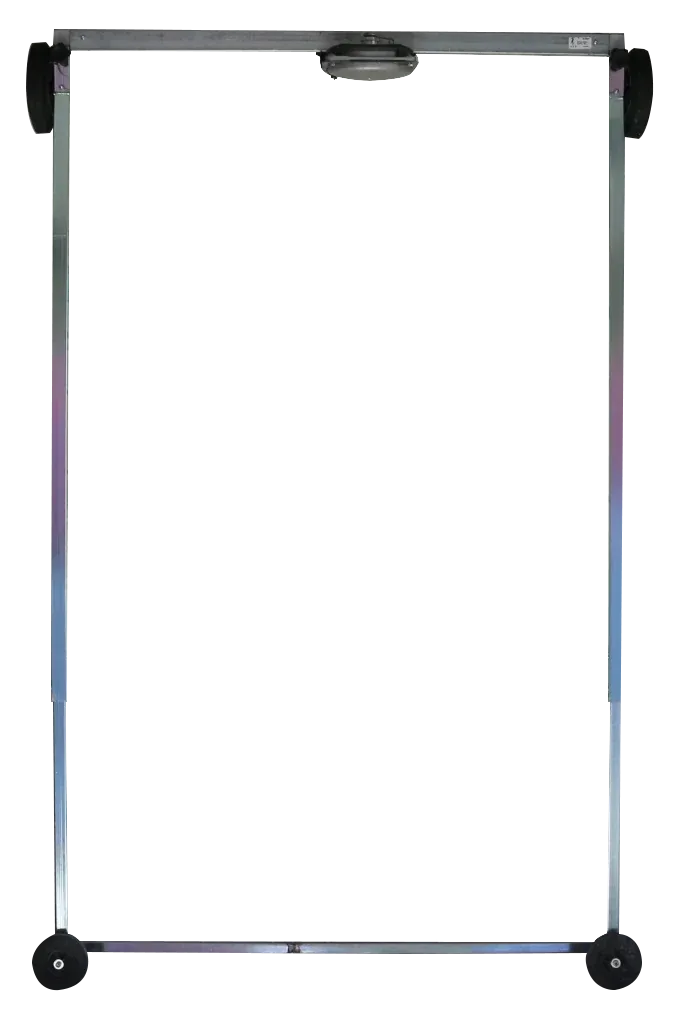
Free guide: 5 mistakes that shorten the life of your grinder
12 pages of practical tips for your job sites.
Frequently asked questions
What are the noise exposure thresholds on a construction site in 2026?
What fines does an employer face for acoustic non-compliance?
Does a 60 dB tool exempt workers from wearing hearing protection?
How do you measure actual noise levels on a construction site?
Find your ideal set
Configure your machine + ergonomics + vacuum combination in a few clicks.