Skip to content
Sept Tools

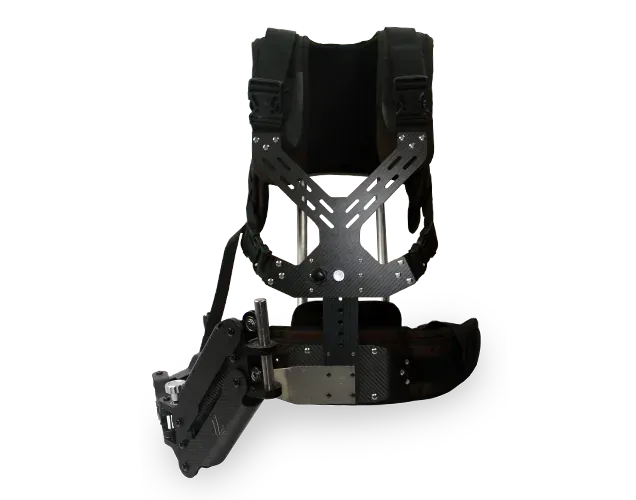
Construction Exoskeleton for Overhead Work: the Scourpio

A passive exoskeleton built for the jobsite: it transfers the weight of the raised arm and the tool to the belt, with no battery and no motor. Overhead grinding, drilling, painting, plastering.

On a jobsite, an exoskeleton is not a gadget: it decides whether an operator works a full shift with arms raised or stops after two hours with a burning shoulder. The Scourpio is a passive construction exoskeleton, driven by mechanical springs, with no battery and no electric motor. This exoskeleton for construction transfers the weight of the raised arm and the machine to the belt, which removes the load on the rotator cuff. A single overhead work exoskeleton covers ceiling grinding, overhead drilling, painting and plastering. Built as an industrial answer to musculoskeletal disorders, the Scourpio pairs with the full Sept Tools brushless range (60 dB, 0.35 m/s2 vibration) to form a coherent low-strain workstation, available on quote.

Measured performance
0
Battery

Passive spring-driven exoskeleton: nothing to recharge.

0
Machine noise

Sept Tools brushless range, quiet enough for occupied buildings.

0.35m/s2
Machine vibration

Brushless range, well below the regulatory exposure limit.

0
Compatible machines

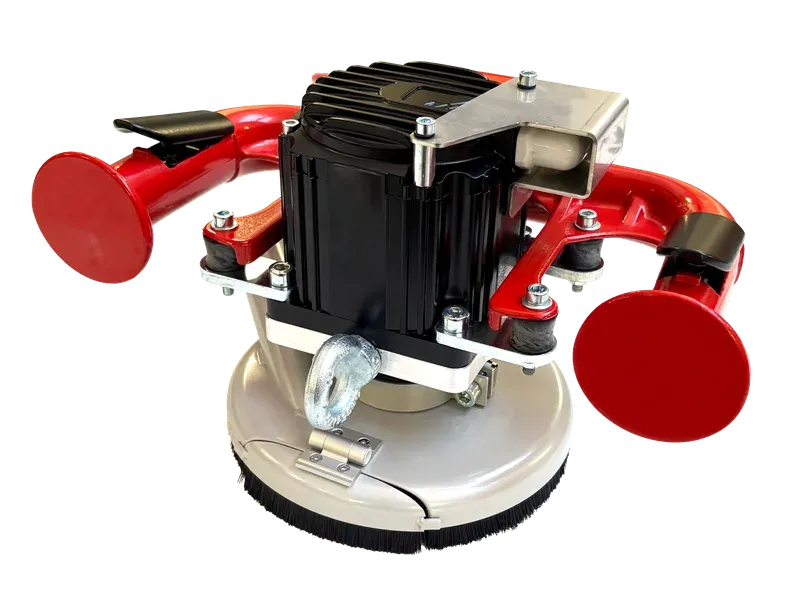
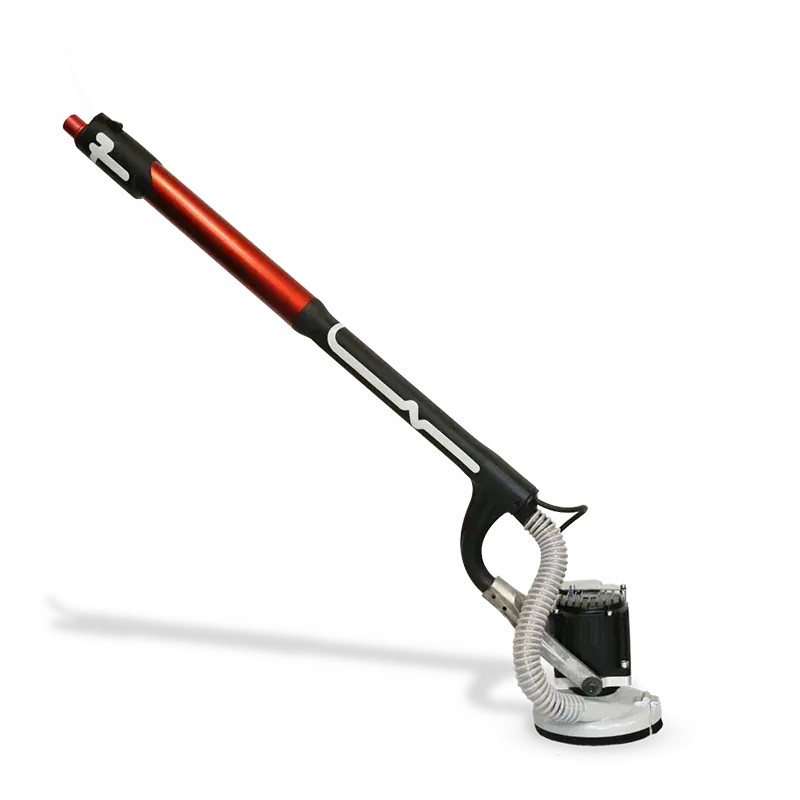
Petit Potam, Gazellomur and Fouine XB165 for overhead work.

Traditional method vs Sept Tools

×

Without an exoskeleton

  • Shoulder loaded, useful station about 2 hours
  • Output dropping sharply by the end of the shift
  • Lost days from musculoskeletal disorders
  • Overhead drilling limited to a few dozen holes
  • Tough station, high turnover

With the Scourpio

  • Arm weight transferred, overhead work comfortable
  • Output sustained across the full shift
  • Shoulder injuries prevented, workforce protected
  • Steady anchoring output over time
  • Station relieved, operators retained
Why Sept Tools

French brushless engineering

Passive Scourpio exoskeleton

Arm weight transferred to the belt: overhead work stays comfortable.

No battery, no motor

Mechanical springs: immediate handling, zero maintenance.

Works with the brushless range

Grinding, bush-hammering, drilling and planing overhead with our machines.

Built for the jobsite

Survives concrete dust, water and full ten-hour shifts in PPE.

Putting a jobsite exoskeleton in place

  1. 1

    Station assessment

    Identify the overhead operations and the aggravating factors on your sites.

  2. 2

    Scourpio adjustment

    Set the spring compensation to the machine weight and the operator.

  3. 3

    Training included

    Hands-on handling of the exoskeleton, on site or by video call.

  4. 4

    Pair with the machines

    Combine with the Petit Potam, Gazellomur or Fouine XB165 for the task.

  5. 5

    Measure the ROI

    Track output, stoppages and operator feedback over the first months.

Our solutions

Discover the dedicated range

View all our products
Exosquelette Scourpio
View product

Exosquelette Scourpio

Petit Potam
View product

Petit Potam

Gazellomur
View product

Gazellomur

Fouine XB165
View product

Fouine XB165

Challenges and solutions

Technical challenges and answers

Burning shoulder after 2 hours

Le problème

Overhead work with no assistance: rotator-cuff fatigue, output dropping sharply by the end of the shift.

Sept Tools

Scourpio exoskeleton: arm weight transferred to the belt, useful station for the full shift.

Shoulder injuries and lost days

Le problème

Musculoskeletal disorders are a leading cause of lost time in construction, with long absences and a workforce that is hard to replace.

Sept Tools

Passive exoskeleton: the overhead load is removed, the crew is protected.

Fragile electric exoskeleton

Le problème

Active battery exoskeleton: recharging, electronics exposed to dust and water, breakdowns on site.

Sept Tools

Passive spring-driven Scourpio: robust, no electrical constraint on the jobsite.

Overhead drilling stops early

Le problème

Unassisted overhead drilling limits the station to a few dozen holes before the shoulder gives out.

Sept Tools

Arm exoskeleton holds the effort, keeping anchoring output steady over time.

Confined sessions cut short

Le problème

Full-PPE confined session with no assistance: exhaustion sets in early, forcing costly crew rotation.

Sept Tools

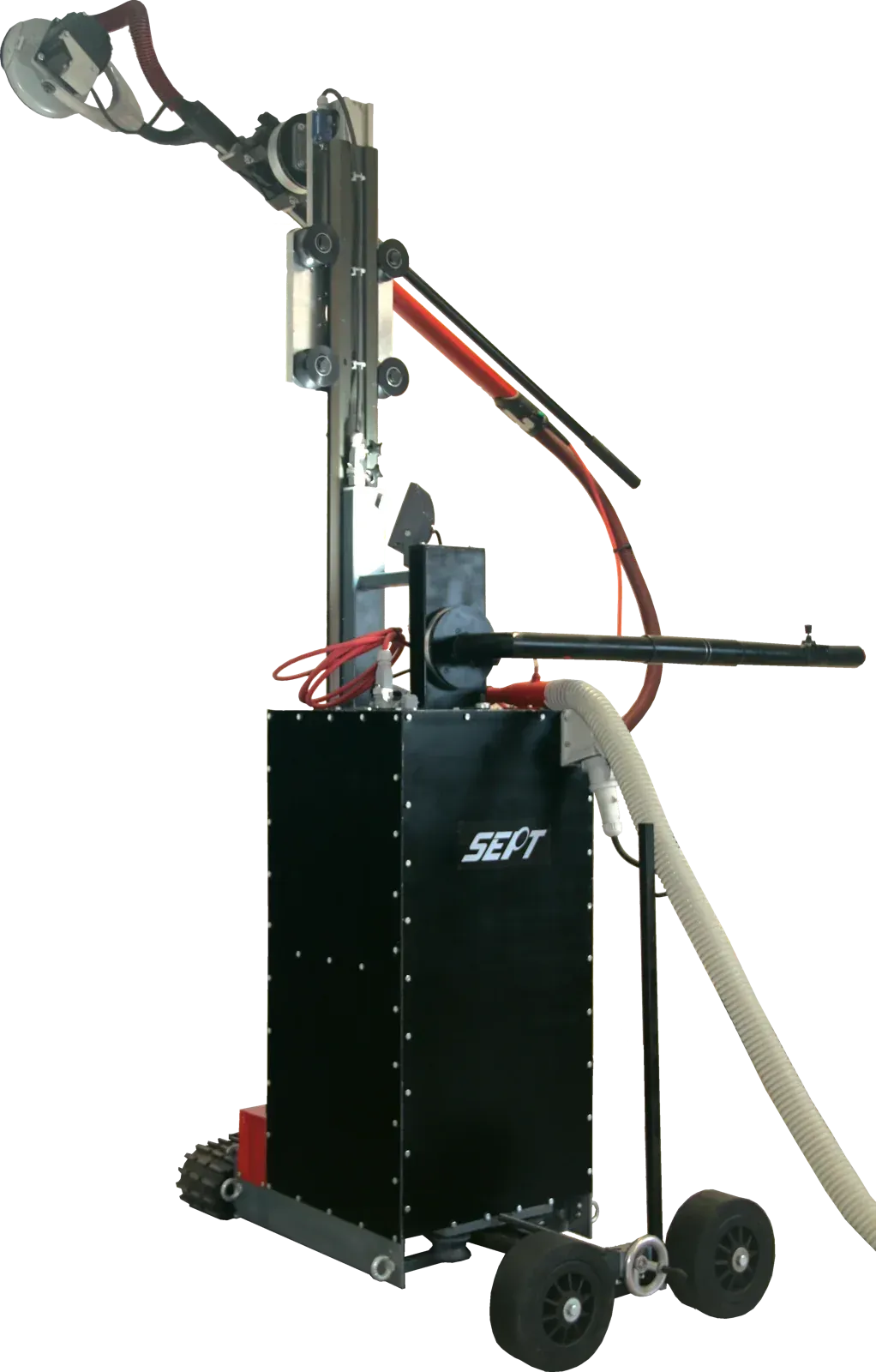
Scourpio plus a Sept Tools carriage: far longer continuous overhead time.

Use cases

For which job sites?

Ceiling grinding and bush-hammering

Preparing concrete ceilings with arms raised over long sessions: the Scourpio paired with the Petit Potam or the Gazellomur turns an exhausting station into a precise, repeatable motion, with no shoulder fatigue.

Overhead drilling and anchoring

Fixing cable-tray and rail anchors into ceilings: the arm exoskeleton holds the effort over time, where unassisted overhead drilling limits the station to a few dozen holes before the shoulder gives out.

Painting, plastering and skim coats

Continuous overhead finishing work: the passive exoskeleton relieves the painter's and plasterer's shoulder, reduces stoppages and preserves output at the end of the shift.

Confined and prolonged sessions

Long sessions in full PPE: the Scourpio combined with a Sept Tools carriage extends continuous overhead time well beyond an unassisted session, keeping the crew productive without early rotation.

Frequently asked questions

Your questions, answered

What is a construction exoskeleton?

A construction exoskeleton is a device worn by the operator that offloads part of the work effort. The Scourpio is a passive exoskeleton: it transfers the weight of the raised arm to the belt through mechanical springs, with no battery and no electric motor.

Passive or active exoskeleton: which one for overhead work?

For the jobsite, a passive exoskeleton is the most robust and the simplest: no recharging, no electronics exposed to dust and water, immediate handling. The Scourpio is a passive exoskeleton for construction designed specifically for overhead work in a site environment.

How much does a Sept Tools exoskeleton cost?

The Scourpio construction exoskeleton is offered on quote, like our whole professional range. Rather than a list price, we look at ROI with you: an overhead work exoskeleton is justified by sustained output, fewer shoulder-injury stoppages and a longer useful station per shift. Request a quote for your pricing.

Which exoskeleton relieves the shoulders during overhead work?

For shoulder strain linked to working with arms raised, an arm and shoulder exoskeleton is the right answer. The Scourpio targets the rotator cuff precisely by transferring the weight of the arm to the hips, without restricting the operator's movement.

Does the exoskeleton work with grinders and drills?

Yes. The Scourpio is tool-agnostic and pairs with the full Sept Tools brushless range: the Petit Potam and Gazellomur for grinding and bush-hammering, the Fouine XB165 for ceiling work, plus overhead drilling and painting tools. The machines stay at 60 dB and 0.35 m/s2 vibration.
Go further

Related solutions and techniques

Need a quote or a demo?

Our sales team will help you choose your professional tools.

Contact us
04 77 60 60 74 Request a quote