


Surface preparation: a transversal trade
The surface preparation specialist is the transversal trade in construction. Where the asbestos remover, the carbon strengthener or the polished concrete craftsman are specialists, the surface preparation specialist must know how to do everything: prepare an industrial floor for epoxy resin, remove laitance before tiling, open a surface for repair mortar, polish polished concrete, strip paint on bare concrete. The trade requires a high degree of equipment versatility.
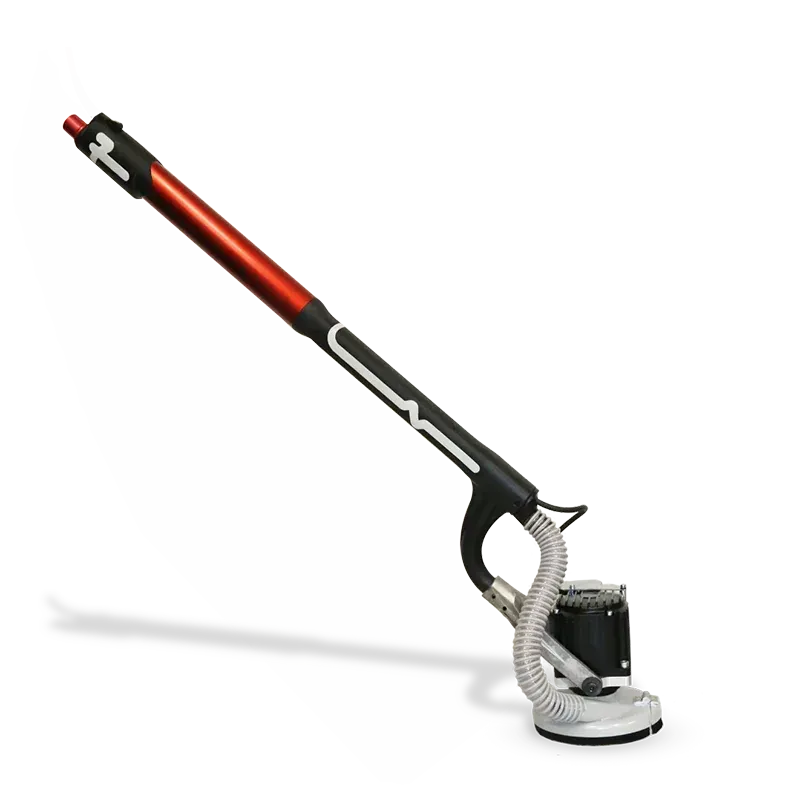
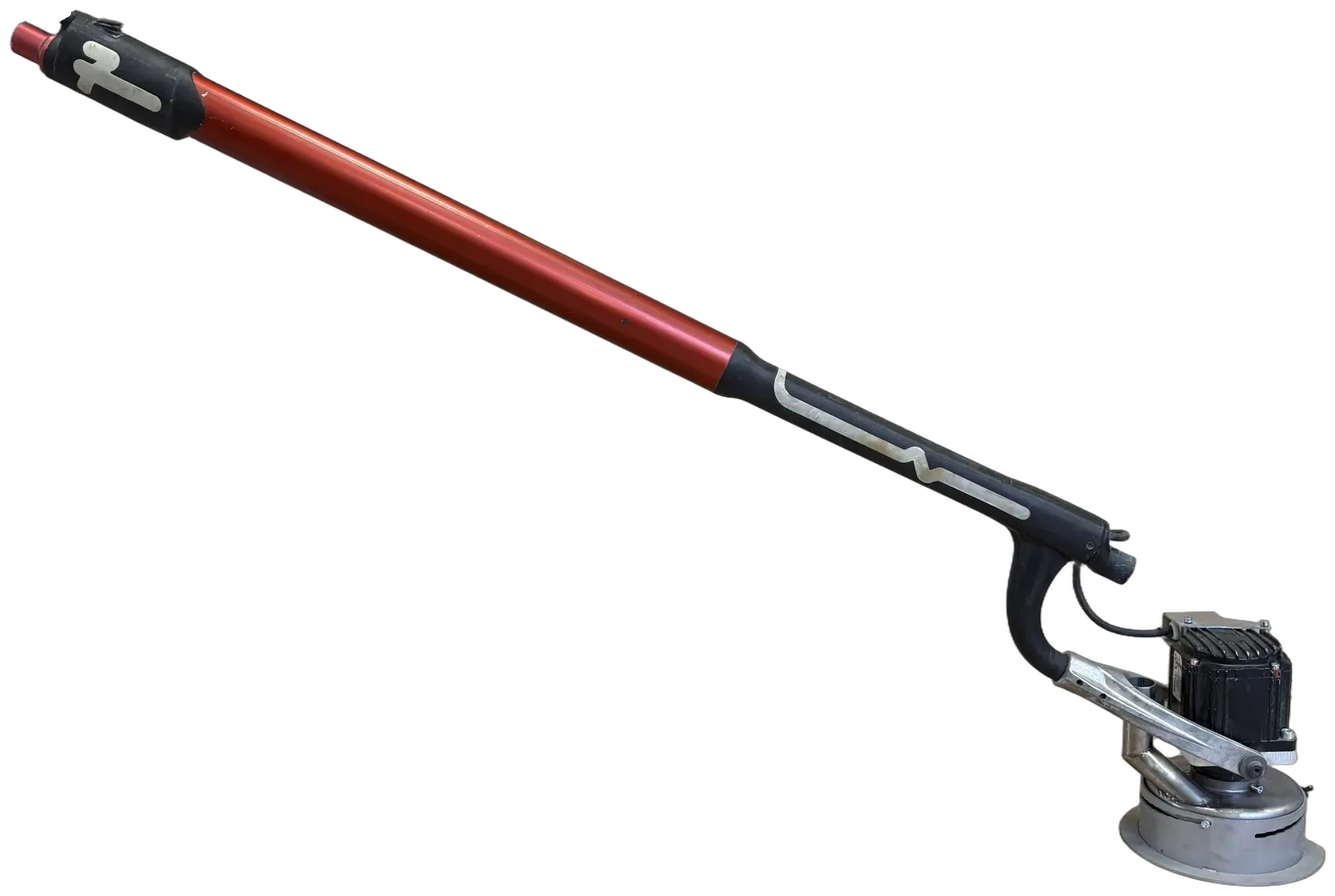
Sept Tools equips these companies with a range of grinding, bush hammering, scarifying and extraction, interchangeable 165 mm discs and shared ergonomic accessories.
Which CSP profile does your project require?
The ICRI (International Concrete Repair Institute) classifies concrete surface profiles on a CSP 1 to CSP 10 scale, from smoothest to most open. Each type of future coating requires a precise target profile, specified by the coating manufacturer. The specialist chooses the method (grinding, bush hammering, scarifying) accordingly.
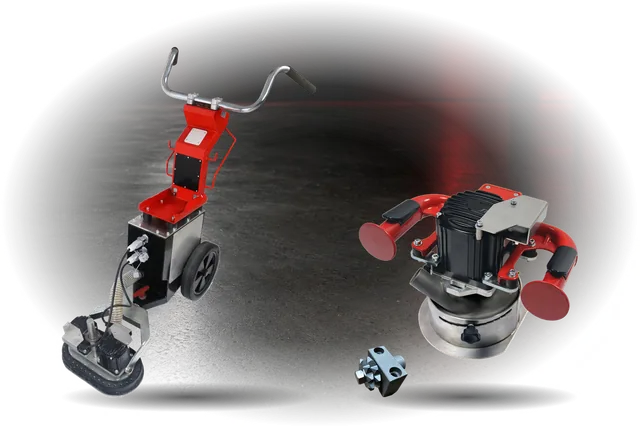
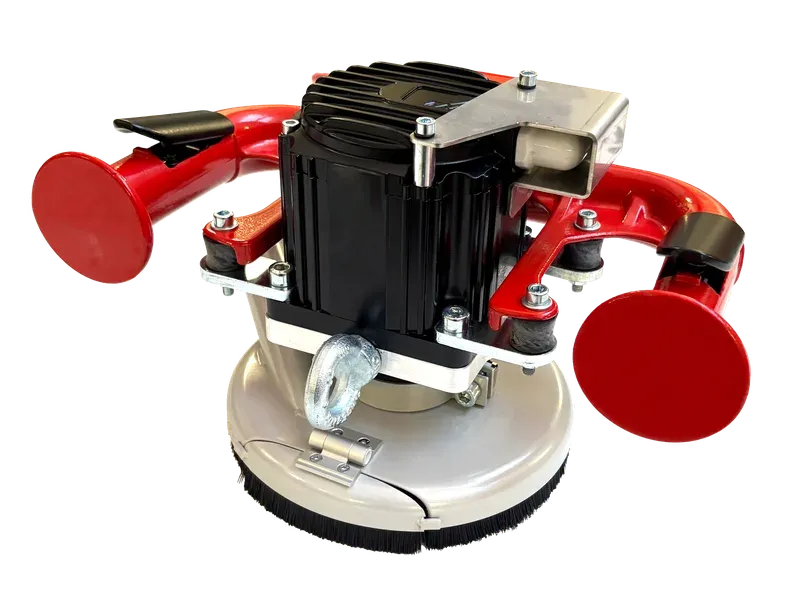
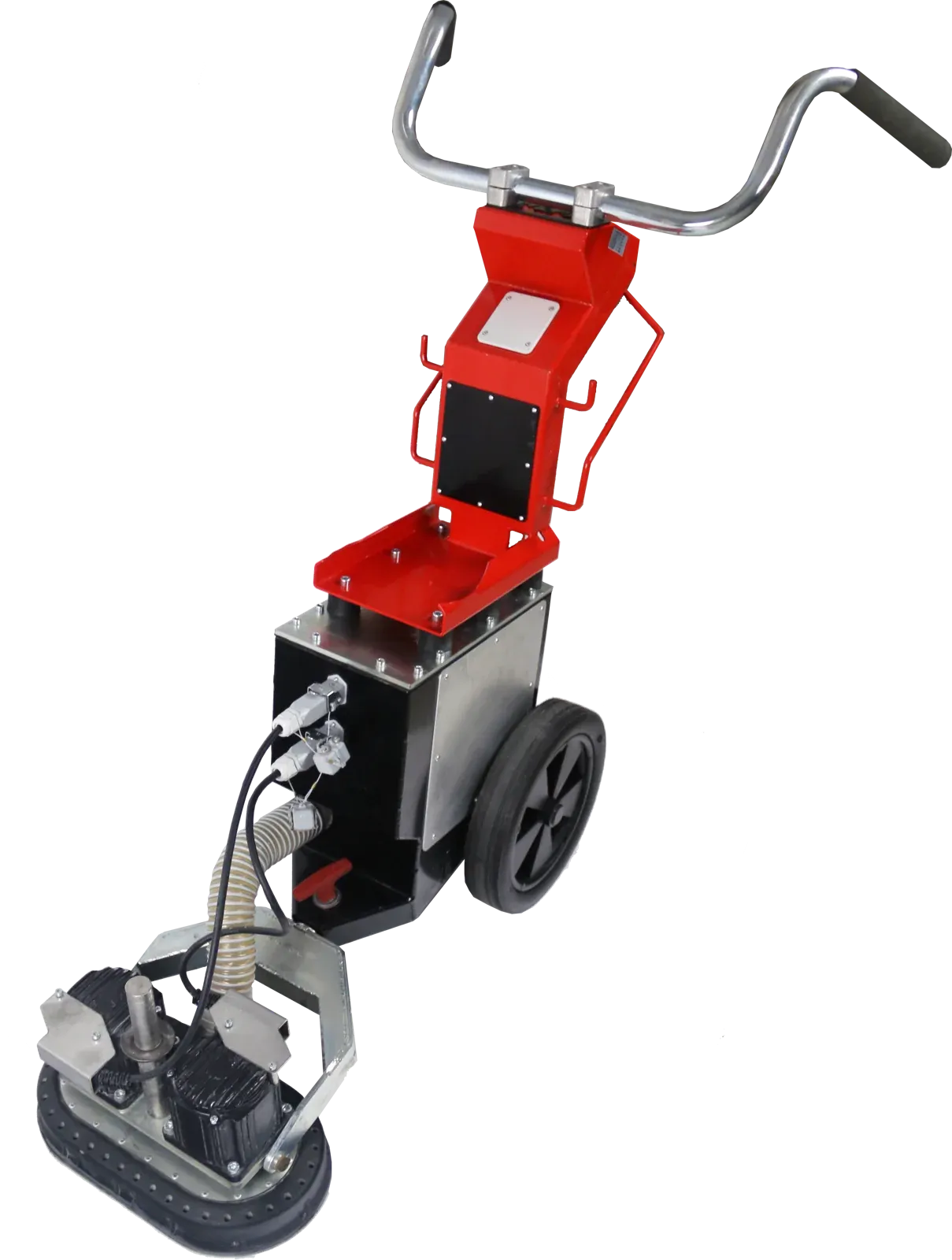
For everyday floor work, the Tapir is the floor grinder of this range. The Castor Planer completes for aggressive operations on large surfaces. A single range, a single after-sales, a single parts logistics.
Upstream diagnosis
Before tackling a preparation jobsite, diagnosis is essential. You have to know the concrete hardness, its carbonation state, any contamination, surface flatness and the planned future coating type.
How do you control crystalline silica on a preparation jobsite?
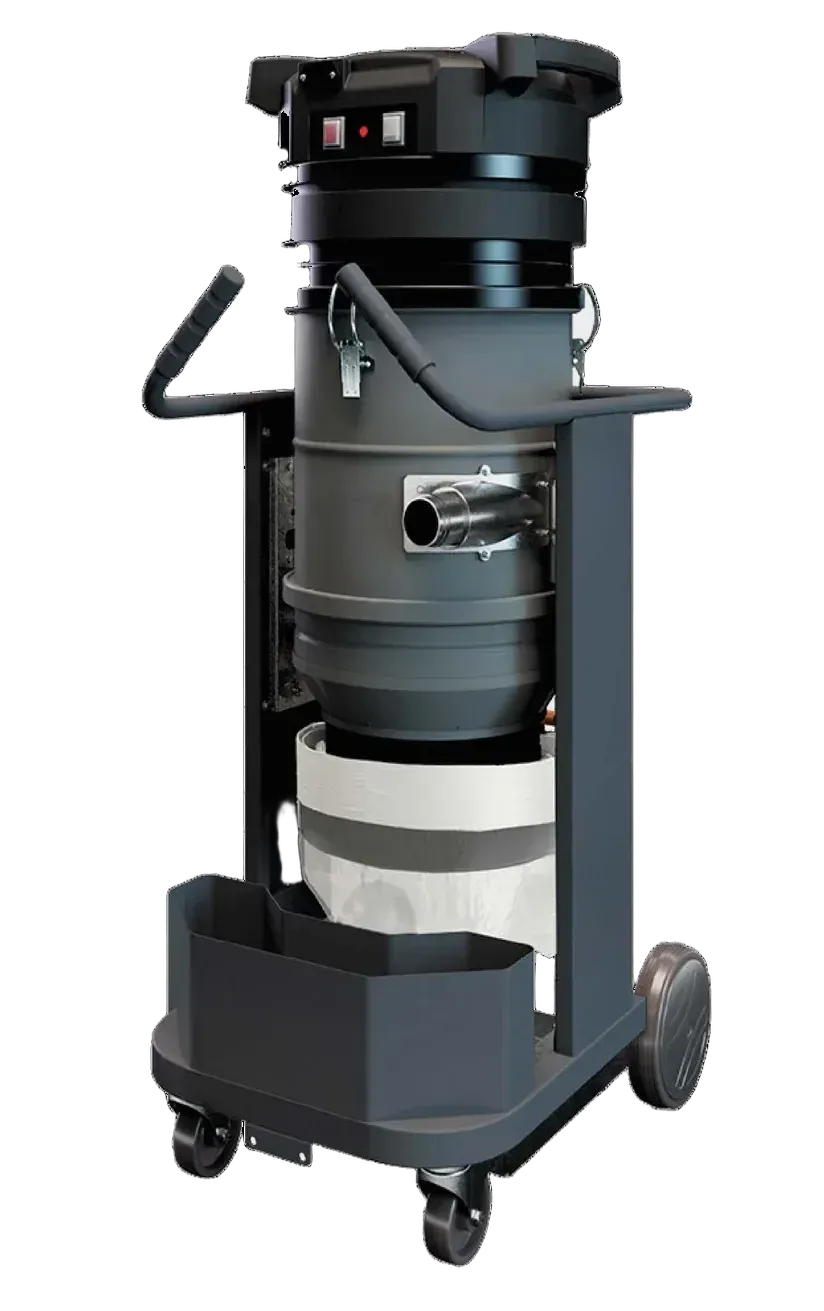
On a preparation jobsite, crystalline silica is controlled through class H extraction connected to every tool; in the Sept Tools range, the IU33 Longopac and the IU51 are declared class H. The OSHA permissible exposure limit is 0.05 mg/m³ over 8 hours, and the EU directive 2017/2398 sets a binding limit of 0.1 mg/m³. No surface preparation jobsite can be considered without adapted extraction. Sept Tools offers two response levels:
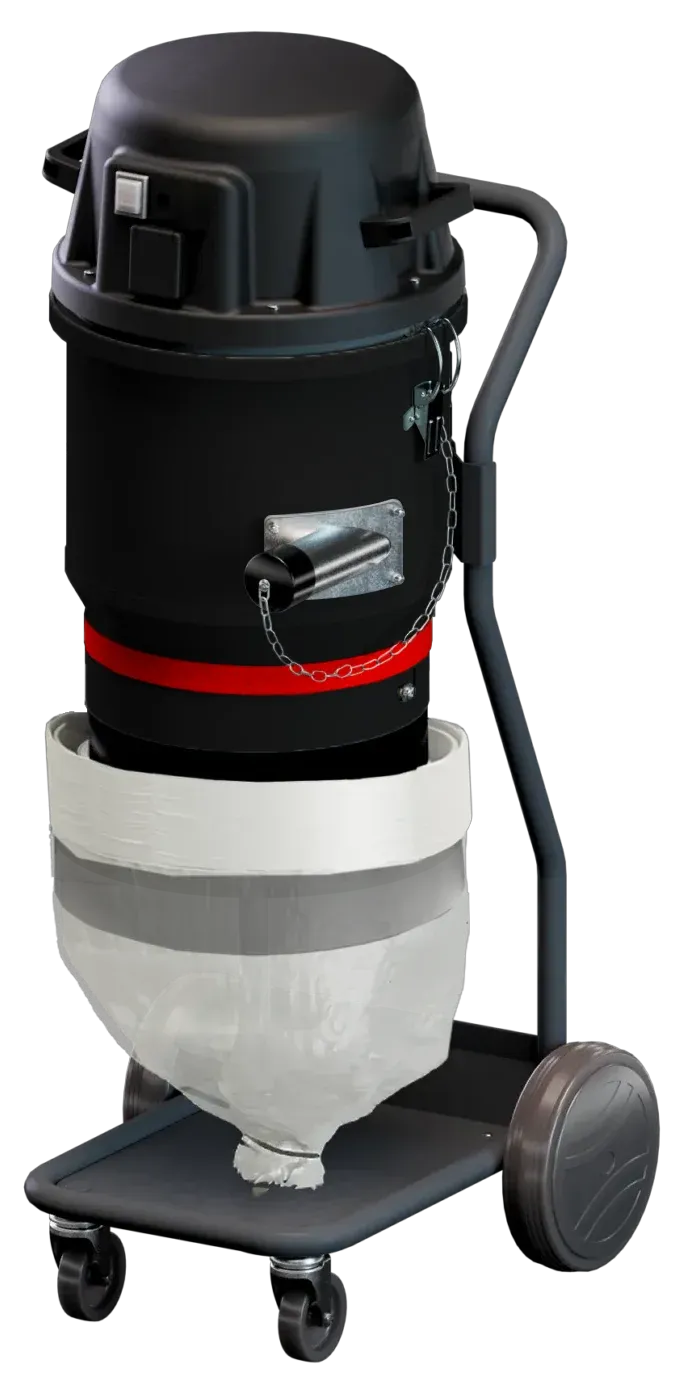
The IU33 Longopac class H, with HEPA filtration and an H14 secondary filter, 200 m³/h airflow and sealed continuous bagging, is the vacuum we recommend for silica.
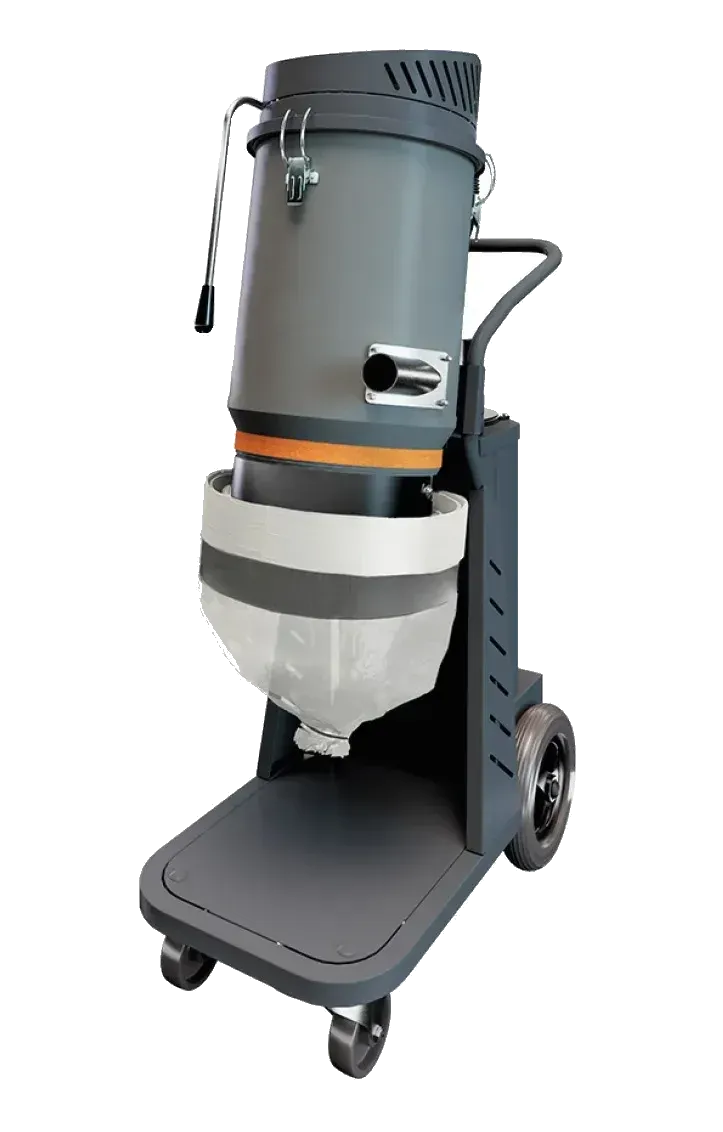
The IU40 (170 m³/h), IU51 (340 m³/h, class H) and IU81 (510 m³/h) range completes the choice according to the airflow needed. The IU40 stays compact and mobile for short sessions. According to their instruction manuals, the IU40 has a HEPA + PTFE cartridge and an H14 secondary absolute filter. The IU51 and IU81 have ULPA + PTFE cartridges. The IU40 and IU81 instruction manuals do not declare a class H and ask for after-sales approval before use on silica.
Grinding, bush hammering and scarifying tools connect to the vacuum by hose; depending on the machine, an adapter may be needed (for example for the Ø38 inlet of the IU33). See the manuals.
How do you cut MSD absenteeism on long preparation jobsites?
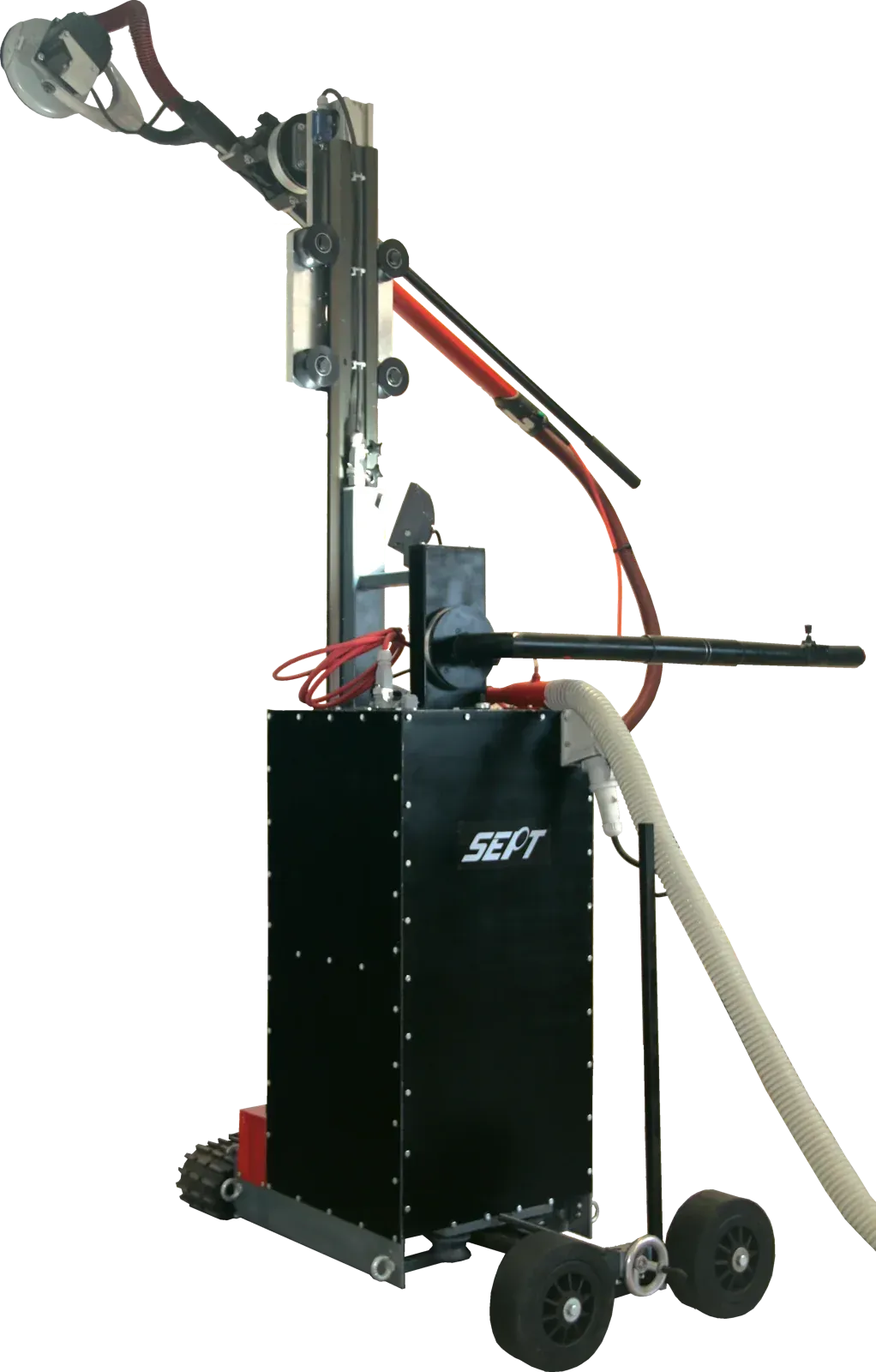
Sept Tools reduces carrying effort on long preparation jobsites through a dedicated ergonomic range: Gazelle and lift support for ceiling grinder carrying, Eland for extended sessions, Scourpio as effort assistance at height. Constrained postures, overhead ceiling grinding, load handling, repeated hand-arm vibrations.
A quality approach at every step
In this trade, execution quality is non-negotiable. A preparation defect translates into failure of the future coating, and responsibility always falls on the preparer. Sept Tools provides as standard the instructions and the manufacturer’s EC declaration of conformity, as well as detailed technical sheets.