The Single Head Concrete Grinder Built to Buy, Not Hire
Floor grinder, concrete surfacer, single head grinder, or simply the grinder: whatever it's called on site, the Sept Tools floor grinder is brushless, quiet, made in Roanne, France, and built for the contractor who owns their kit rather than depending on the hire desk.
Free quote, no obligation, reply within 24h. Equipment guaranteed 24 months.
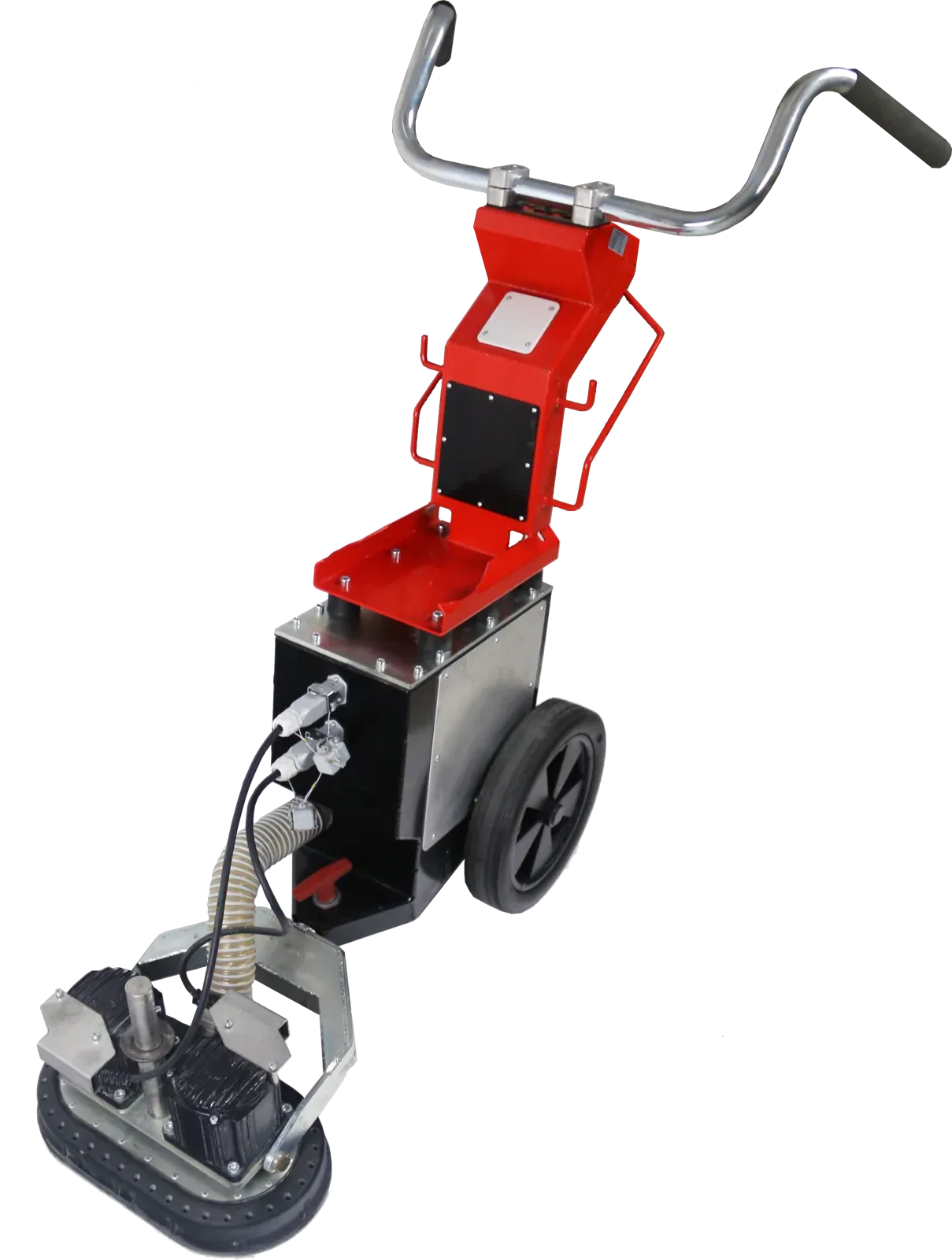
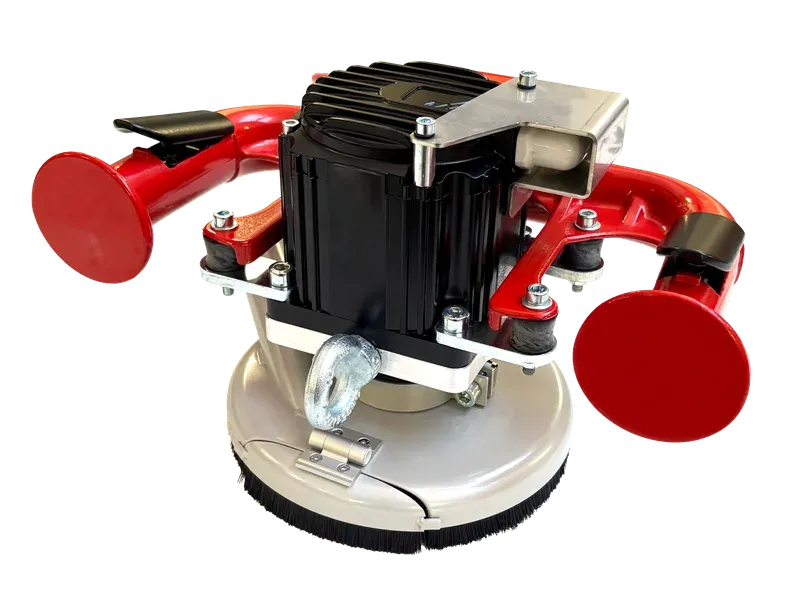
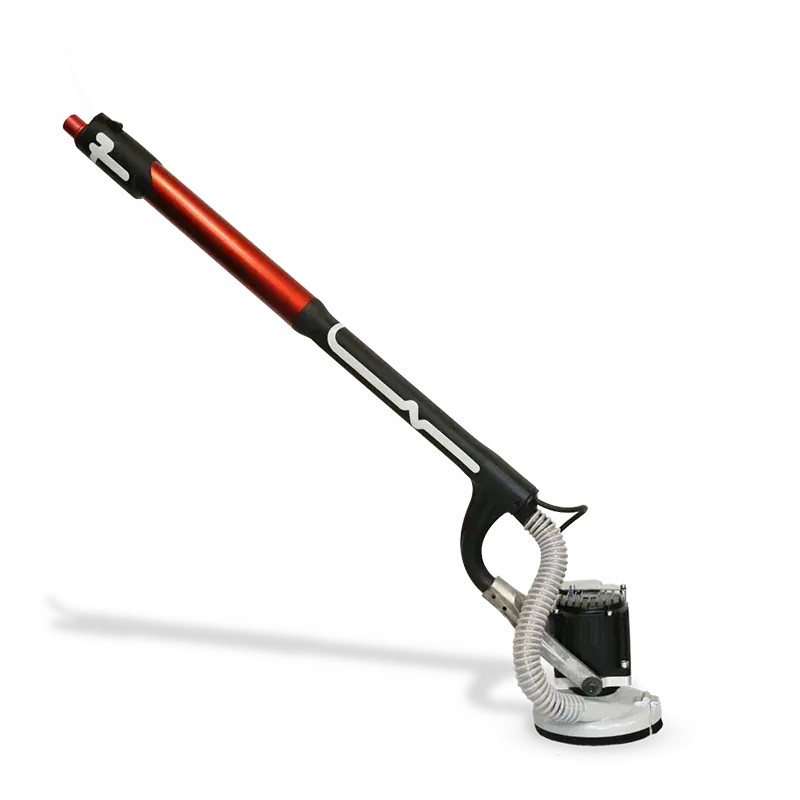
When a contractor is looking for a single head concrete grinder, the search usually turns up two worlds that don't quite fit: small hand-held sanders from the DIY aisle, and hire yards charging by the day. In between sits the machine you buy to keep for years: a walk-behind floor grinder that preps a slab before resin, strips old glue or paint, and surfaces a screed, shift after shift. That's where Sept Tools operates: brushless floor grinders made in France, quiet, IP65 rated, with dust captured at the source (H-class extraction) and after-sales support based at the factory with parts in stock. The Tapir XTT330 covers 80 to 120 m² per shift on standard concrete with a single operator; the Petit Potam and the Fouine XB165 handle edges, corners and smaller areas with the same diamond plates. Hiring a floor grinder typically costs £40-70 a day: once you're using one for more than a handful of days a year, investing in a machine that can actually be repaired changes the maths.
Our solutions
Which machine for your job site?
The machines below are selected for this application: brushless motors, dust captured at the source (class H extraction) and anti-MSD design. Quote within 24h.
A single head concrete grinder typically hires for £40-70 per day depending on disc diameter. Once you're using one for more than a couple of weeks a year, buying a durable brushless machine works out cheaper, without depending on a hire firm's availability or the condition of a shared machine. The investment pays for itself over the motor's working life, 14 times that of a brushed motor.
02
Brushless: consistent torque on hard concrete
No brushes, no commutator: full torque is maintained on dense areas, with no loss of power on reinforced concrete or hard laitance, and IP65 sealing against abrasive dust. Where a brushed motor burns out after 600 hours, the brushless motor runs 4,000 to 6,000 hours with no internal wear parts.
03
Silica dust captured at the source
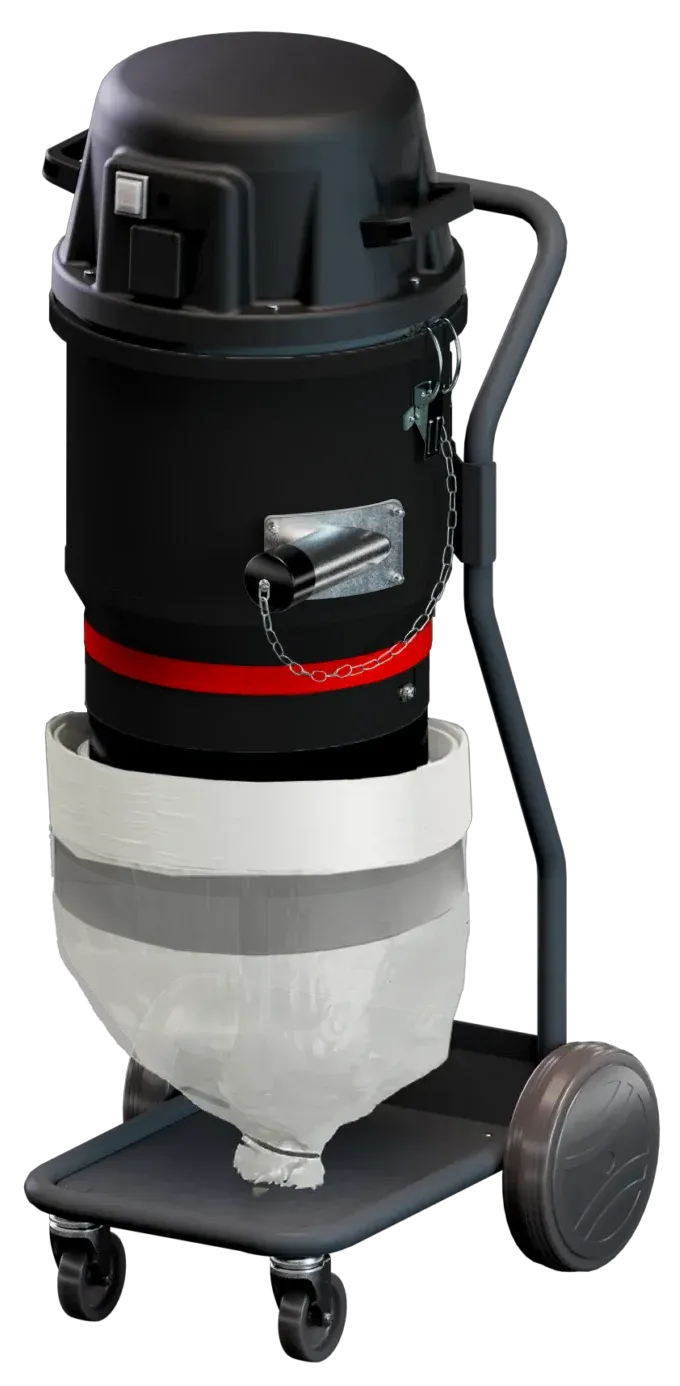
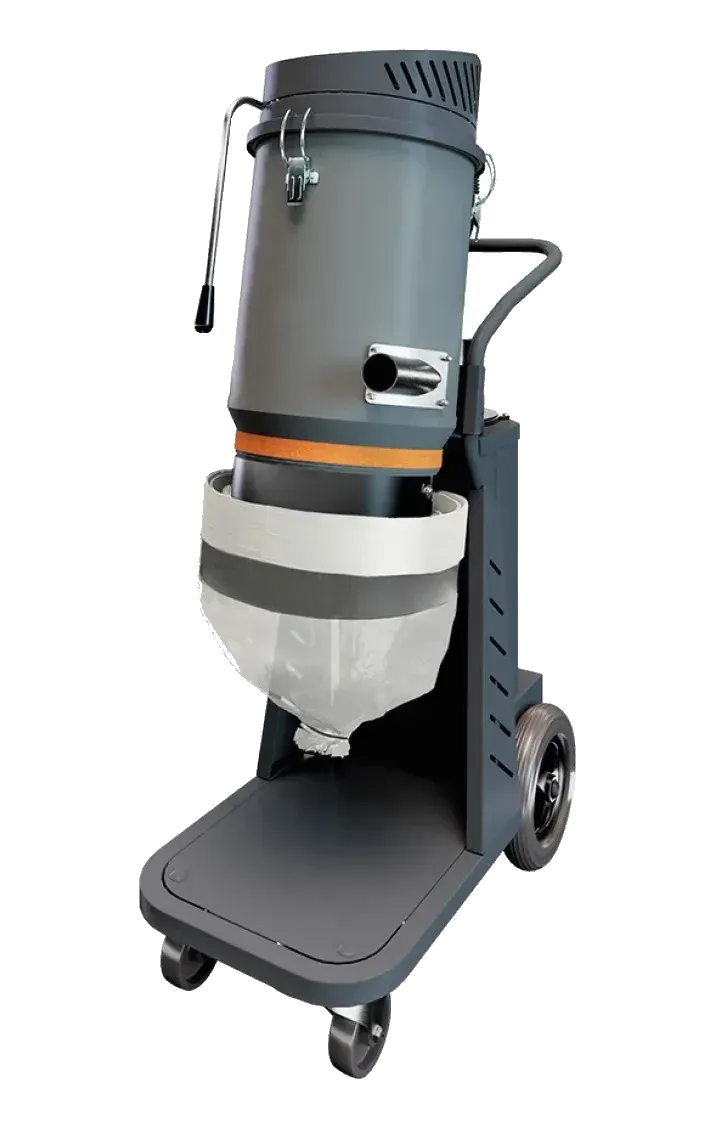
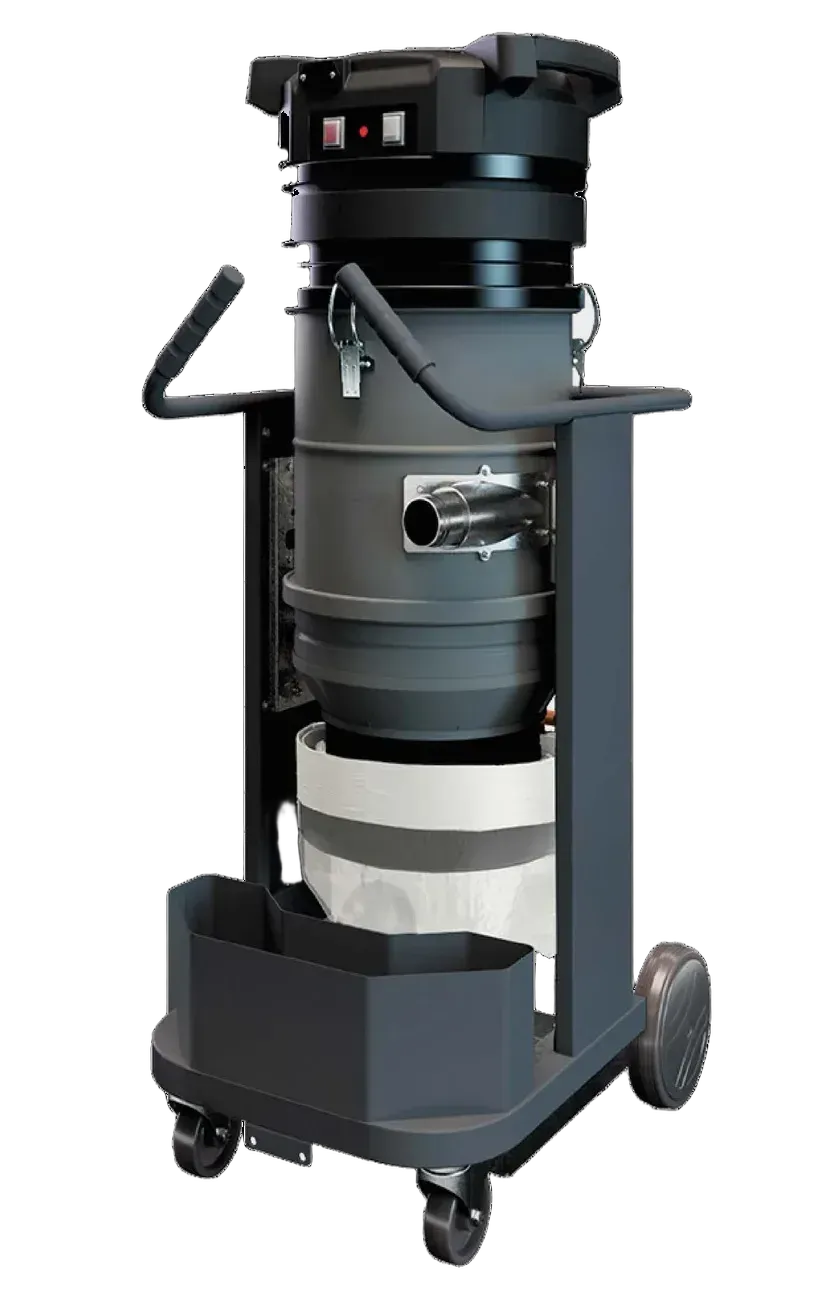
Grinding a concrete floor releases crystalline silica, covered by HSE silica dust rules on construction sites. Sept Tools floor grinders connect to the range's H-class extraction units (IU33 Longopac, IU40, IU51, IU81) with HEPA H13 filtration: dust captured at source, sealed bagging, and a machine built for compliance.
04
Made in France, repairable, not disposable
Design and assembly in France, standard parts kept in stock, national after-sales support mobilised within 48 hours. A Sept Tools floor grinder gets repaired and keeps working: exactly what a contractor investing in their own fleet is looking for.
Measured performance
What real-world performance on site?
60 dB
Noise Level
Occupied site, live car park, indoors: no time restrictions.
0.35 m/s²
Hand-arm Vibration
Reference figure across the range, measured on benchmark machines: a full shift without RSI risk.
IP65
Dust and Water Resistance
Abrasive concrete dust and washdowns: the machine takes it.
x14
Motor Lifespan
4,000 to 6,000 brushless hours versus 600 hours for a brushed motor.
Use cases
For which job sites?
Slab Preparation Before Resin or Floor Paint
Opens the surface porosity and creates an even profile to guarantee adhesion for epoxy resins and floor paints. Mechanical stripping of glue, paint and laitance with no chemicals, and dust captured via H-class extraction.
Screed Surfacing and Flatness Correction
High points, ridges and uneven screed corrected before laying a floor covering. The Tapir covers 80 to 120 m² per shift; edges and wall bases are finished with the Petit Potam using the same diamond plates.
Car Park and Industrial Floor Renovation
Stripping degraded resin, chewing gum and paint on a live site: the quiet machine works alongside ongoing operations with no time restrictions, where a noisy machine would force night work.
Replacing an Ageing Fleet Machine
Plenty of contractors are still running a floor grinder bought ten or fifteen years ago. When parts become hard to find, switching to a French-made, repairable machine with parts in stock secures the fleet for the next decade.
Real-world conditions
External concrete slab grinding
External concrete slab grinding, Tapir 4-disc, helmeted and harnessed operator.
What's the difference between a floor grinder, a surfacer and a single disc buffer?
The terms often describe the same family of walk-behind machines, but with real differences: a floor grinder or concrete surfacer works with a diamond plate to strip, prepare and surface hardened concrete; a single disc buffer is primarily a maintenance machine (cleaning, polishing) running at low speed, sometimes used incorrectly for grinding work. To prep a slab before resin or strip old glue, what you need is a proper concrete floor grinder with H-class extraction.
Single phase or three phase concrete floor grinder: which one should I choose?
Single phase 230V plugs in anywhere, on any site or occupied building, where three phase 400V needs a dedicated supply that isn't always available. A 230V brushless motor delivers consistent torque that covers the vast majority of floor preparation jobs. Three phase only becomes worthwhile for very large continuous areas with a suitable site power supply.
Is it better to hire or buy a concrete floor grinder?
Hire typically runs at £40-70 per day depending on diameter and hire firm. Once you're using one for more than a couple of weeks a year, buying a durable brushless machine becomes the cheaper option: the machine is always available, its condition is known, and the plates match your surfaces. A motor lifespan 14 times longer and national after-sales support speed up the payback.
How do you manage silica dust when grinding a concrete floor?
Crystalline silica is covered by HSE silica dust rules on construction sites. The technical answer is capture at source: a grinder connected to an H-class extraction unit with HEPA H13 filtration, such as the IU33 Longopac or the Sept Tools IU40, IU51 and IU81 range, with sealed bagging of the dust. Dry grinding without extraction exposes the operator and creates liability for the employer.
Which diamond plate should I choose for grinding a concrete floor?
It depends on the surface and the goal: aggressive coarse segments to strip glue, paint or hard laitance; medium grit for preparation before resin; fine grit for finishing. On hard concrete, a coarser grit at reduced speed avoids glazing the plate. Sept Tools diamond plates are calibrated across the whole floor, wall and ceiling range: see the diamond plates family in the consumables catalogue.
What should I look for when replacing an ageing floor grinder?
On many UK sites, contractors are still running a machine bought a decade or more ago, often kept going long past its intended lifespan. When parts become hard to source, what matters when replacing it is parts availability, national after-sales support, noise level and dust capture. Sept Tools makes its floor grinders in France, with parts in stock and support within 48 hours: request a quote or an on-site demonstration.
Can a floor grinder work on an occupied site?
Yes, provided it's quiet and clean. Sept Tools brushless machines run at around 60 dB, the level of a conversation, with dust captured at source: a live car park, shop, office or occupied hospital stay accessible with no time restrictions, where a noisy, dusty machine would force night work.