Skip to content
Sept Tools

The ceiling concrete grinder that lasts on site

Giraffe sander, long-reach grinder, overhead concrete grinder: whatever you call it on site. The Sept Tools ceiling grinder does heavy grinding on concrete, asbestos or lead substrates, resin, adhesive and bitumen. Made in Roanne, built to outlast the job.

Free quote, no obligation, reply within one working day. Equipment guaranteed 24 months.

Sept Tools ceiling grinding set: Gazelle trolley, arm and grinder with class H vacuum

Concrete ceiling grinding is heavy work, not second-fix finishing. It removes laitance, formwork marks, and old coatings from soffits before repainting, waterproofing, or structural bonding. Sept Tools performs it with the brushless Fouine XB165 head mounted on the Gazelle trolley (up to 4 m with the extension arm) or the Eland trolley, so the operator guides the tool instead of holding it overhead, with Class H dust capture at the source.

Our solutions

Which machine for your job site?

The machines below are selected for this application: dust captured at the source and ergonomic design. Quote within one working day.

View all our products
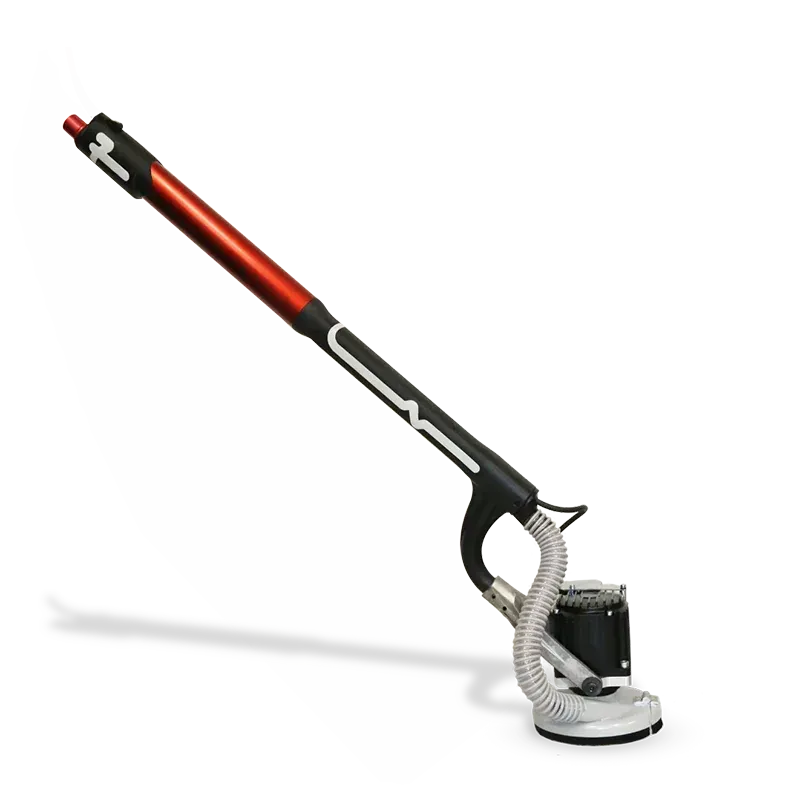
Fouine XB165

Fouine XB165

Grinds concrete ceilings without holding the machine overhead, on a Gazelle or Eland trolley.
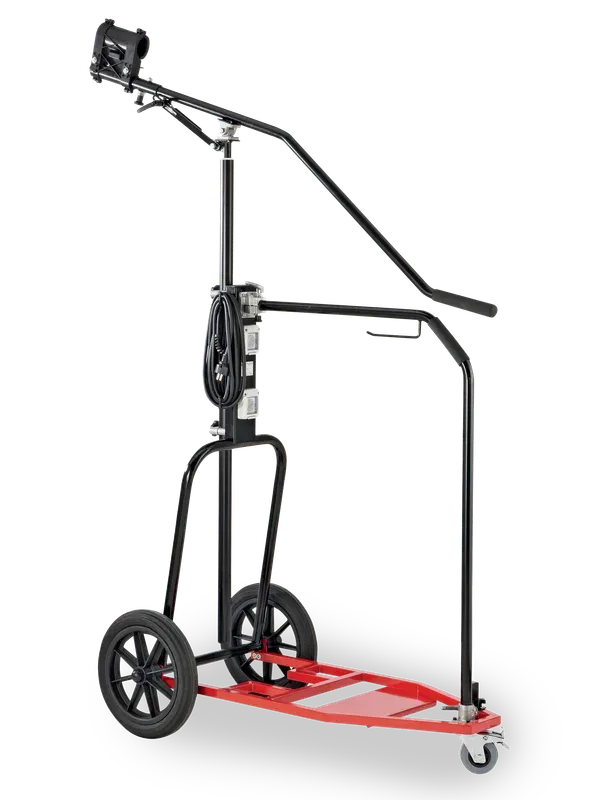
Gazelle

Gazelle

Carries the Fouine XB165 for strain-free ceiling grinding, up to 4 m with the extension arm.

Eland Bras de ponçage

Eland Bras de ponçage

Ceiling grinding trolley whose arm carries the Fouine XB165 grinder.
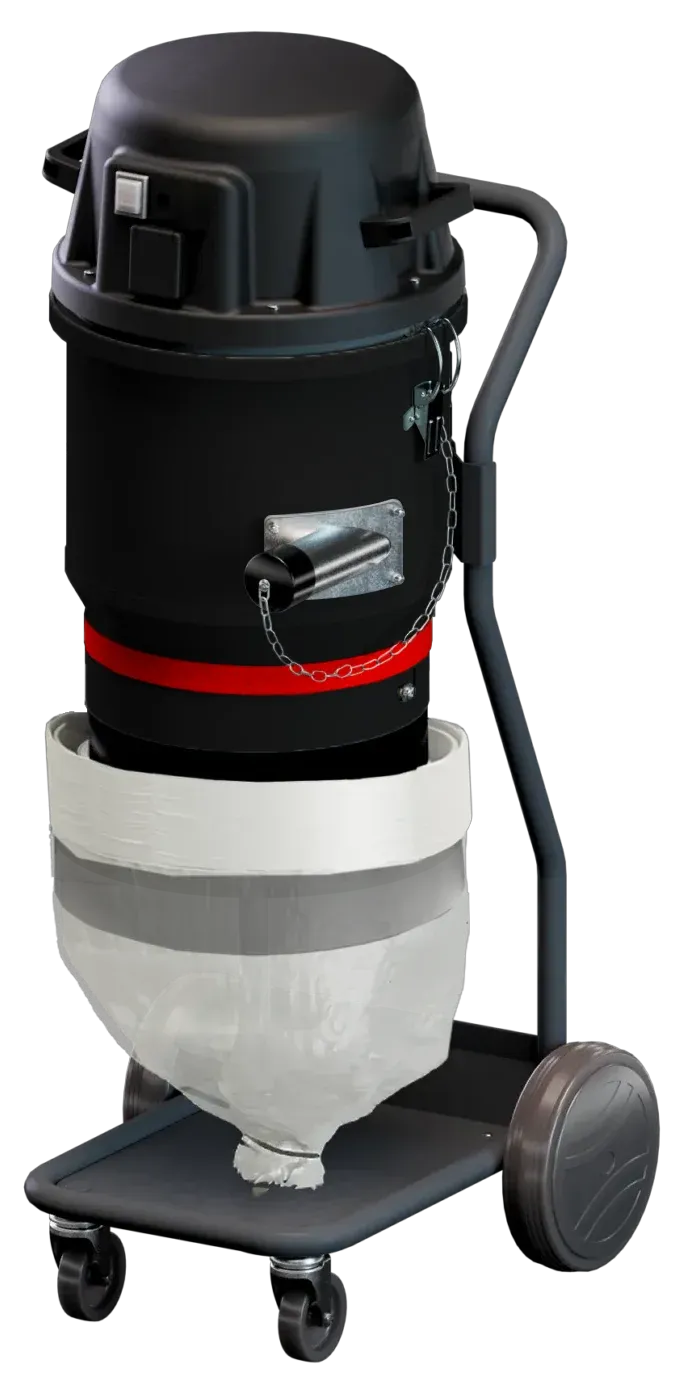
IU33 Longopac

IU33 Longopac

Class H construction vacuum with HEPA H14 source capture and a continuous Longopac bag.
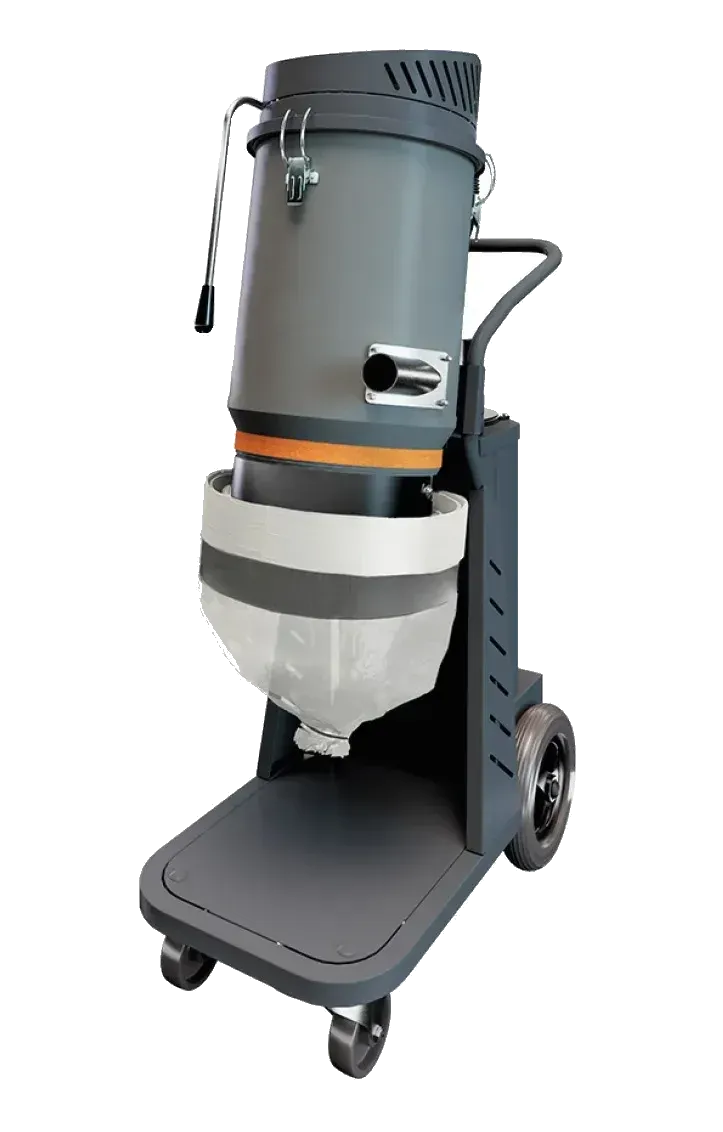
IU40

IU40

Compact, easy-to-carry vacuum for fine site dust.
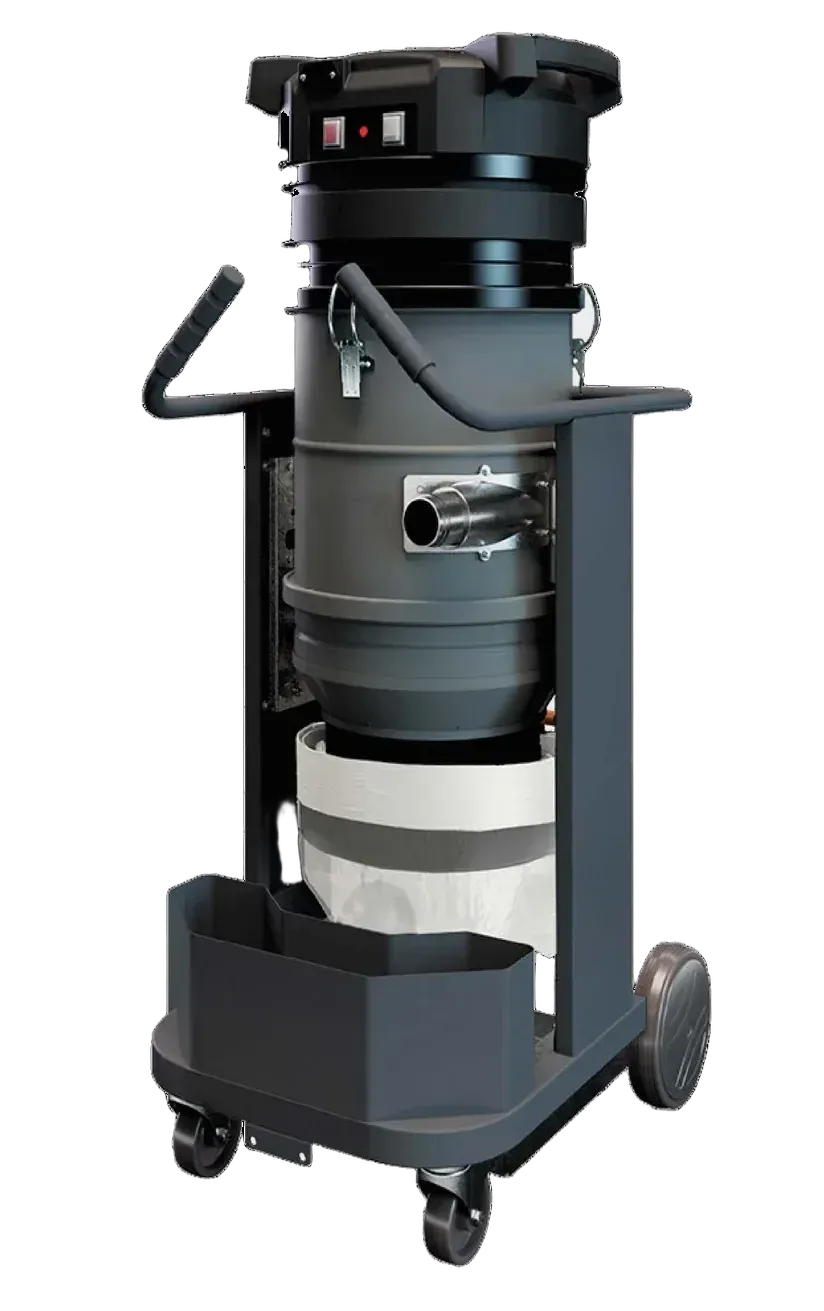
IU51

IU51

Keeps suction constant, even in confined spaces, with no stops to clean the filter.

IU81

IU81

Vacuum for demanding sites, with a filter protected against abrasive materials.

IU200

IU200

Extracts fine dust continuously, day and night, with a self-cleaning filter.

Key figures
12-16m²/h
Concrete ceiling ground

With Fouine XB165 plus Eland Grinding Arm. Conventional pole method: 2 to 3 m²/h.

Less
Muscular load

Reduced with the Gazelle ceiling set: the trolley carries the machine.

0.35m/s²
Hand-arm vibration

Value declared in the grinder manual (K = 1.5): less vibration in the hands.

60 dB(A)
Sound level (Fouine XB165)

Quiet brushless: compatible with operating car parks and occupied buildings.

Traditional method vs Sept Tools

×

Manual pole grinding

  • 2 to 3 m²/h of ceiling prepared
  • Outstretched arms, shoulder pain in 2 h
  • Vibration above 5 m/s²
  • Dust falling on the operator
  • Sessions cut short by fatigue in PPE
✓

Sept Tools ceiling chain

  • 12 to 16 m²/h with a single operator
  • Muscular load reduced by the trolley
  • Vibration 0.35 m/s² (declared value)
  • HEPA H14 source capture
  • Less tiring sessions in full PPE
Why Sept Tools

Why choose French brushless tools?

Ergonomics first

Eland Grinding Arm and Gazelle trolley: the operator carries much less and mainly guides.

Brushless motor

x13 service life (motor only) with no internal wear parts.

Source extraction

IU33 Longopac H14 captured directly at the pad, zero falling dust on the operator.

Safe overhead working

Eland trolleys up to 3.80 m on walls (3.30 m on ceilings). The operator works from the floor, without a ladder.

Our ceiling grinding process

  1. 1

    Access diagnosis

    Headroom, access and occupied site or PPE constraint assessment.

  2. 2

    Chain set-up

    Fouine XB165 plus Eland Grinding Arm or Gazelle depending on the zone.

  3. 3

    Grinding 12-16 m²/h

    Single operator, machine carried by the trolley, source capture.

  4. 4

    IU33 Longopac H14

    Continuous sealed bagging, zero falling dust, silica captured at source.

  5. 5

    Finish check

    Surface condition verification for the next site phase.

Use cases

For which job sites?

Multi-storey car park renovation

Ceiling grinding across thousands of square metres. Gazelle trolley: single operator processes 12 to 16 m²/h, productivity x5 versus manual pole method.

Hard-to-remove coatings: adhesive, resin, bitumen

Removing tile adhesive, epoxy resin, bitumen and degraded renders from ceilings before refurbishment. The Fouine XB165 handles renders and adhesives at 8 to 12 m²/h, with the diamond plate matched to the grit.

Asbestos or lead substrates

Extended sessions in full PPE in a confined zone: Fouine plus IU33 Longopac class H plus trolley limits fatigue, captures dust at source and seals the bag without exposing the operator. Asbestos sector, French SS3 and SS4 categories. The contractor carrying out the work stays responsible for its compliance.

Tunnel and infrastructure before coating

Voussoir concrete and slab undersides on civil works before waterproof or anti-graffiti coatings. Fouine 7.6 kg on Gazelle covers all section profiles.

Real-world conditions

Ceiling sanding from boom lift

Construction site video: Ceiling sanding from boom lift, raw concrete, overhead work
Raw concrete ceiling sanding, articulated arm from lift, helmeted harnessed operators.

overhead work · raw concrete

Ceiling grinders: watch all our jobsite videos
Frequently asked questions

Your questions, answered

Is there a robot for sanding a ceiling?
Sanding robots on mobile bases or lifts exist for some surfaces.
Why is ceiling grinding so demanding?
Working with raised arms continuously stresses the rotator cuff, trapezius and neck.
What does the Gazelle trolley change?
The trolley fully carries the machine.
Is the equipment compatible with asbestos work?
Yes.
How long does a diamond pad last?
It depends on the grit and the hardness of the substrate.
Do you provide training?
For our ergonomic systems, on-site or video training can be arranged on request.
Is captive ceiling grinding suitable for asbestos removal? Are there verified field results?
Yes.
Gazelle cart or Eland cart: which is right for ceiling grinding?
The Gazelle trolley suits flat, open ceilings such as car parks and warehouse soffits, where the operator moves the machine along a clear run.
What is the maximum working height for ceiling grinding?
The Eland trolley works up to 3.30 m on ceilings (3.80 m on walls), and the Gazelle trolley reaches ceilings up to 4 m with the extension arm (3.5 m with the standard arm).
Does concrete ceiling grinding require Class H dust extraction?
Yes, grinding raw concrete or old coatings releases crystalline silica dust, which is captured at source through Class H extraction connected directly to the grinding head.
Should a contractor rent or buy a concrete ceiling grinder?
For occasional jobs, renting covers the need without tying up capital.
How does a classic rigid-arm giraffe sander compare to the Fouine on a Gazelle or Eland cart?
A classic rigid-arm giraffe sander is held and pushed by the operator for the full session, so fatigue sets the real pace regardless of the motor.
What factors affect how long a ceiling grinding job takes?
Duration depends on the concrete hardness and laitance thickness, the diamond pad grit selected, ceiling height and obstacles that slow trolley movement, whether the site is occupied and requires PPE or noise limits, and how much surface preparation the coating or bonding step afterwards demands.
Which surfaces can the ceiling grinder handle?
Raw concrete (laitance, fins), paint, render, tile adhesive, epoxy resin, bitumen, plasterboard, fibreglass.
Does this ceiling grinder do finishing work?
No.

Is there a robot for sanding a ceiling?

Sanding robots on mobile bases or lifts exist for some surfaces. Without programming or a lift, the Sept Tools solution is hand-guided: the Eland trolley carries the Fouine XB165 under the ceiling and the operator steers it from the floor, at 12 to 16 m²/h on concrete, versus 2 to 3 m²/h with manual pole grinding.

Why is ceiling grinding so demanding?

Working with raised arms continuously stresses the rotator cuff, trapezius and neck. Add the cumulative weight of the grinder and the vibration. Without an ergonomic solution, useful shift duration drops below two hours per operator.

What does the Gazelle trolley change?

The trolley fully carries the machine. The operator only handles guidance. A two-hour shift becomes a full working day with less effort. The investment is recovered in just a few projects.

Is the equipment compatible with asbestos work?

Yes. Our grinders operate in asbestos zones with a class H vacuum and standard wetting protocols. The IP65 brushless motor withstands water cleaning (no high pressure) between operations.

How long does a diamond pad last?

It depends on the grit and the hardness of the substrate. Our technical team advises the right pad for your concrete.

Do you provide training?

For our ergonomic systems, on-site or video training can be arranged on request. Ask our team when you request your quote.

Is captive ceiling grinding suitable for asbestos removal? Are there verified field results?

Yes. Our captive grinding system (Fouine XB165 on trolley + IU33 Longopac class H) was put to the test on a live NHS hospital site in the United Kingdom: more than 1000 m² of textured asbestos coating removed in 4 productive weeks, with independent air monitoring by UKAS-accredited laboratory 2544 under the HSE HSG248 protocol, confirming dust levels 5 times below the UK control limit (0.02 f/ml measured against 0.1 f/ml). Read the full case study.

Gazelle cart or Eland cart: which is right for ceiling grinding?

The Gazelle trolley suits flat, open ceilings such as car parks and warehouse soffits, where the operator moves the machine along a clear run. The Eland trolley shares the same telescopic rack mast architecture, weighs 36 kg and accepts 135 kg for the complete assembly, working up to 3.30 m on ceilings. Both carry the Fouine XB165 head and share the same diamond pads.

What is the maximum working height for ceiling grinding?

The Eland trolley works up to 3.30 m on ceilings (3.80 m on walls), and the Gazelle trolley reaches ceilings up to 4 m with the extension arm (3.5 m with the standard arm). Both configurations are sized for standard slab heights in car parks, offices, and industrial buildings; taller or irregular ceilings are assessed on-site before a quote is issued.

Does concrete ceiling grinding require Class H dust extraction?

Yes, grinding raw concrete or old coatings releases crystalline silica dust, which is captured at source through Class H extraction connected directly to the grinding head. This is the standard setup for every Sept Tools ceiling grinding configuration, not an optional accessory, and it applies equally to occupied sites and asbestos-adjacent work.

Should a contractor rent or buy a concrete ceiling grinder?

For occasional jobs, renting covers the need without tying up capital. For contractors who grind ceilings regularly, buying a brushless machine removes the dependency on rental availability and condition, and the motor lifespan spreads the cost over years rather than single jobs. A tailored quote compares both paths against your actual usage.

How does a classic rigid-arm giraffe sander compare to the Fouine on a Gazelle or Eland cart?

A classic rigid-arm giraffe sander is held and pushed by the operator for the full session, so fatigue sets the real pace regardless of the motor. Mounting the Fouine XB165 on the Gazelle trolley or the Eland trolley transfers that weight to the carrier: the operator guides the head instead of supporting it, which keeps the pace steady over a full working day.

What factors affect how long a ceiling grinding job takes?

Duration depends on the concrete hardness and laitance thickness, the diamond pad grit selected, ceiling height and obstacles that slow trolley movement, whether the site is occupied and requires PPE or noise limits, and how much surface preparation the coating or bonding step afterwards demands. A site visit lets us size the configuration and timeline accurately.

Which surfaces can the ceiling grinder handle?

Raw concrete (laitance, fins), paint, render, tile adhesive, epoxy resin, bitumen, plasterboard, fibreglass. The diamond plate is changed in grit to suit the material, and variable speed from 500 to 4800 rpm adjusts how aggressive it is. On a substrate containing asbestos or lead, the grinder connects to the IU33 Longopac class H vacuum, which captures the dust at source.

Does this ceiling grinder do finishing work?

No. It does heavy grinding: exposing the concrete and removing laitance, fins, old coatings, adhesive, resin or bitumen. For second-fix finishing it is not the right tool. If your job is of that kind, say so in your case study request and we will tell you plainly.
Compare with competitors

See the real differences: motor, drive, rpm, weight, dust capture, side by side on manufacturer data.

Compare with competitors

Need a quote or a demo?

Our sales team will help you choose your professional tools.

Contact us

Free quote, no obligation. Equipment guaranteed 24 months.

04 77 60 60 74 Request a quote