

Asbestos and lead: two activities, one tool chain
Asbestos removal and lead paint decontamination have more in common than meets the eye. Often the same operators, the same PPE, the same containment constraints, the same source-capture obligations. A specialised contractor moves from one type of intervention to the other depending on the project, and looks for a single equipment fleet capable of covering both markets.
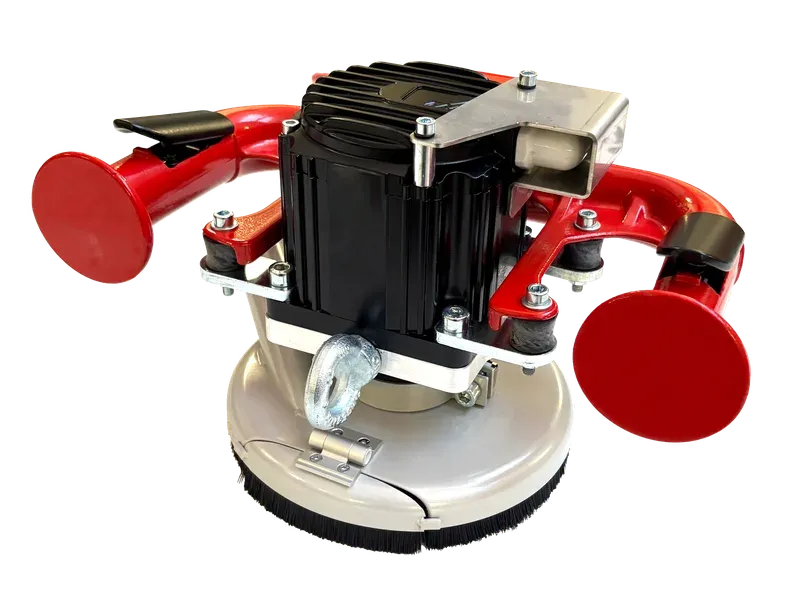
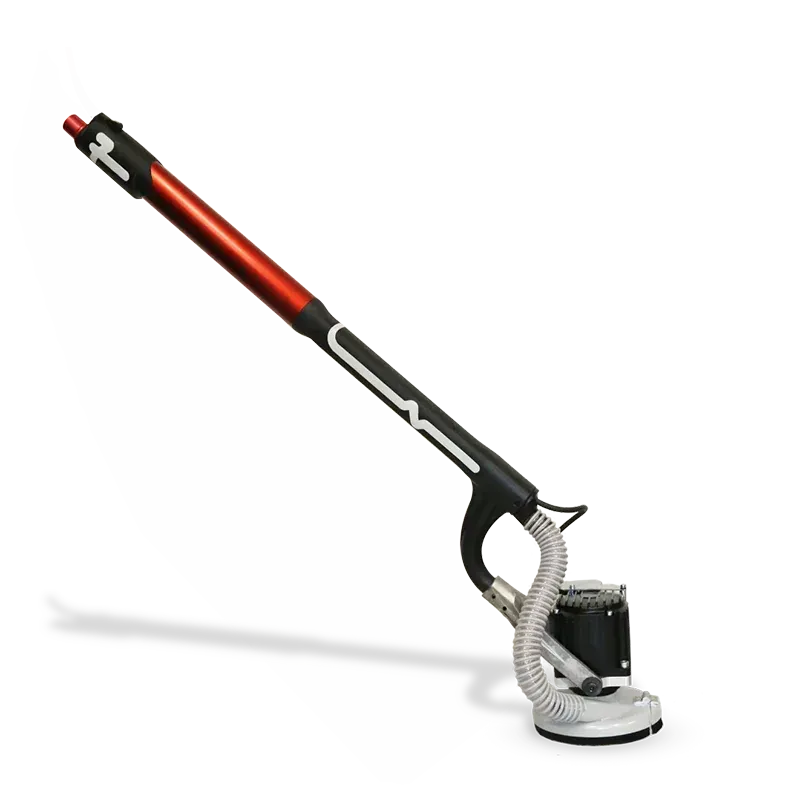
Sept Tools develops its range with this versatility in mind. Our grinders, planers and the IU33 Longopac vacuum are offered for licensed asbestos work.
Why does brushless matter in a contaminated zone?
Brushless motors suit contaminated zones because they have no brushes: no commutator sparks and no carbon dust emission, a motor service life of 20,000 hours (motor only) versus 1,500 hours for a brushed motor, and declared hand-arm vibration of 0.27 to 0.35 m/s² on the grinders. First, no carbon dust emission: a brushed motor continuously releases carbon particles that mix with contaminated dust and complicate the final decontamination of the equipment. Brushless emits none.
Then service life. On an asbestos jobsite, every machine downtime is a major logistical problem: you have to bring the operator out, decontaminate the tool, bring a new machine through clean and contaminated zones, restart a new cycle. A brushless motor has a service life of 20,000 hours (motor only) versus 1,500 hours for a brushed motor, i.e. thirteen times more.
Finally, vibration. EU directive 2002/44/EC sets the action threshold at 2.5 m/s² for hand-arm vibration. The manuals of Sept Tools brushless grinders declare 0.27 to 0.35 m/s² depending on the machine; each operator’s exposure still has to be assessed from the usage time. On a jobsite where you already work in a mask and coverall, you cannot afford to add vibration exposure.
Which vacuum for licensed asbestos work?
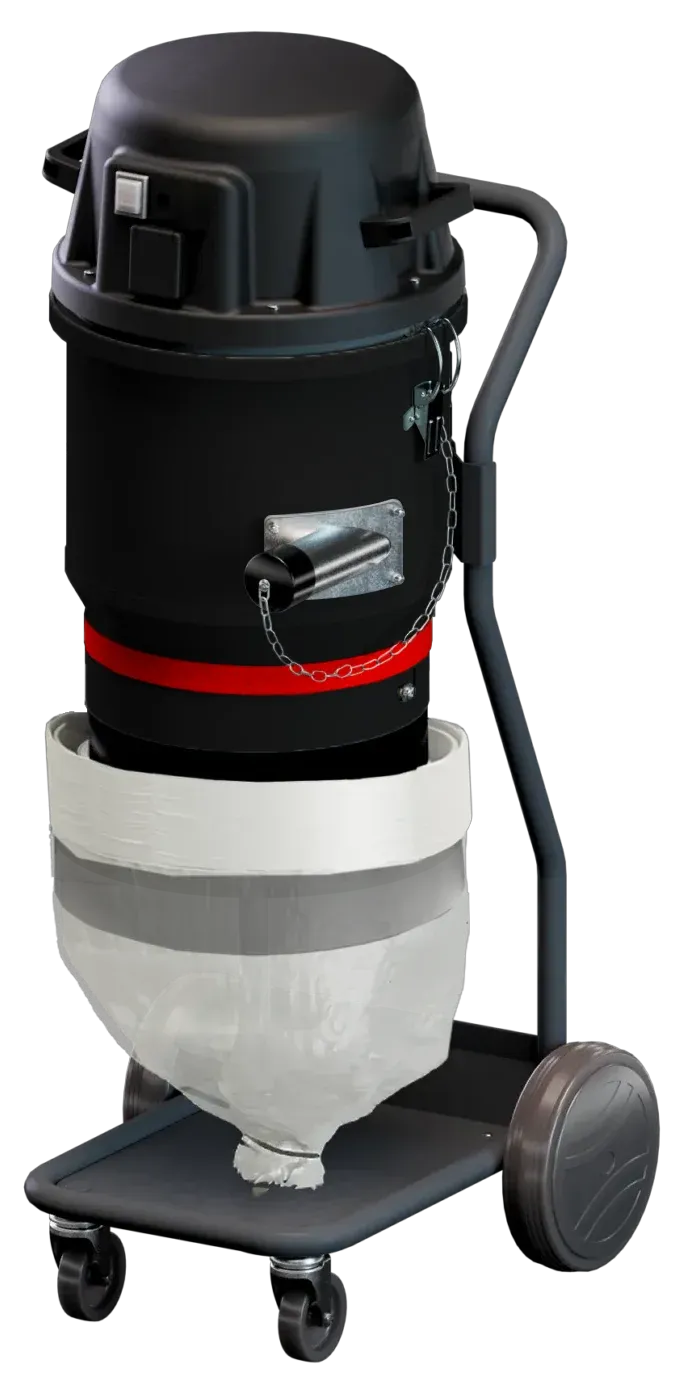
Licensed asbestos work requires a class H vacuum. Without effective extraction, no grinder can be used in licensed work, regardless of its motor. For asbestos we recommend the IU33 Longopac, declared class H per EN 60335-2-69 annex AA, with HEPA H14 filtration and the Longopac continuous bagging system: a continuously sealed plastic sleeve that forms hermetic sausages during disposal. The operator limits contact with the contaminated dust.
The IU33 Longopac suits restricted-access zones thanks to its continuous bagging. The IU40, IU81 and IU200 instruction manuals do not declare a class H: for asbestos, we point you to the IU33 Longopac.
Ergonomics: the difference on long jobsites
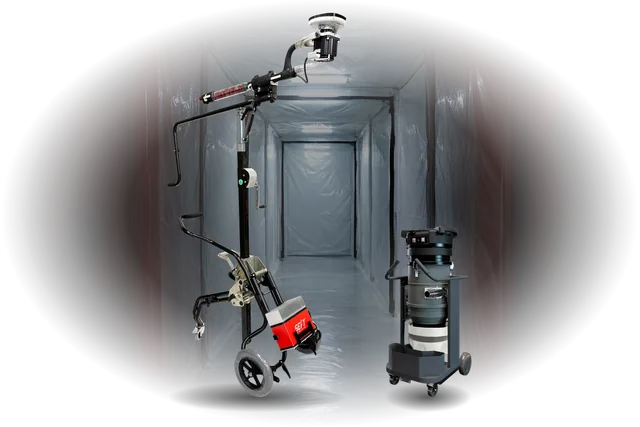
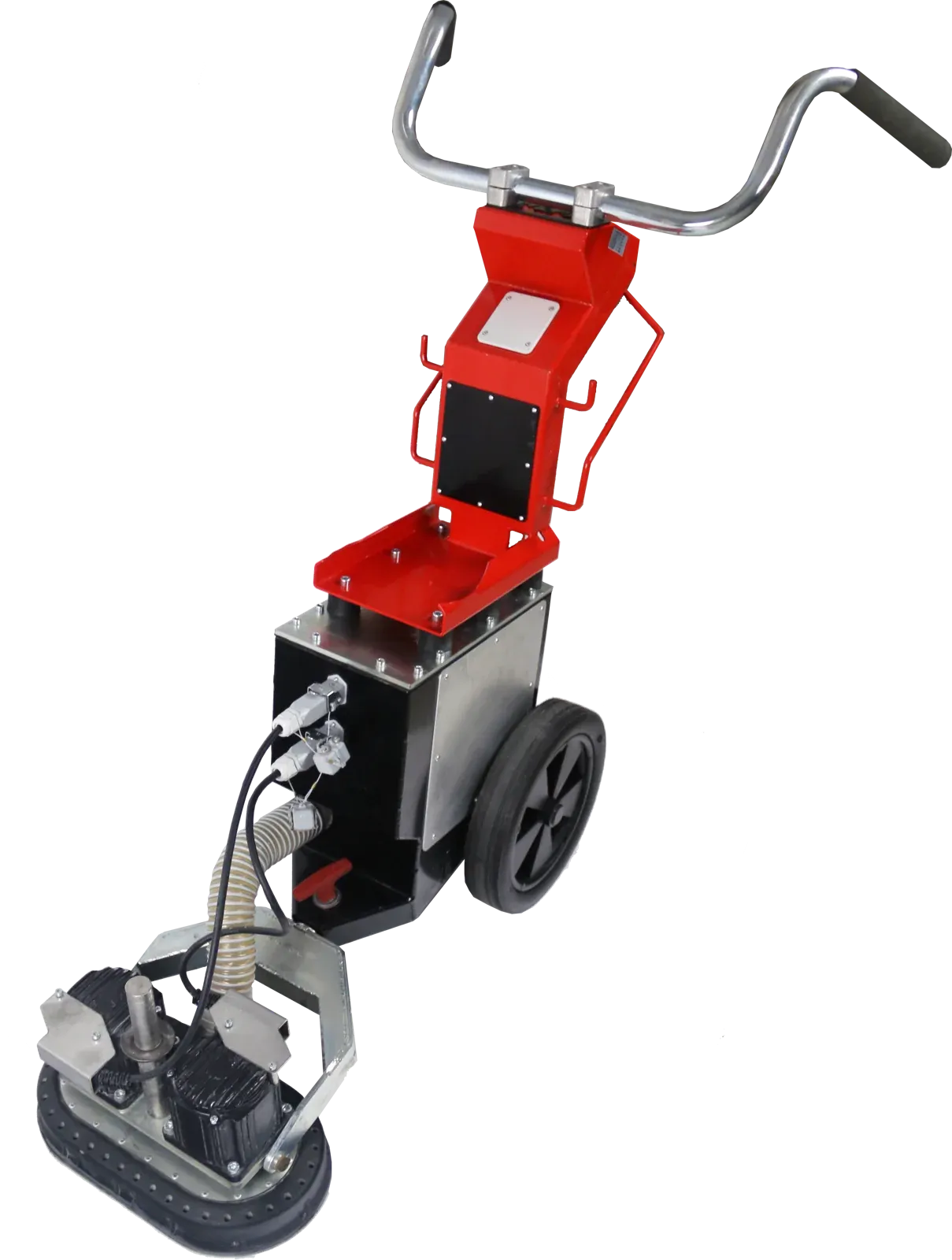
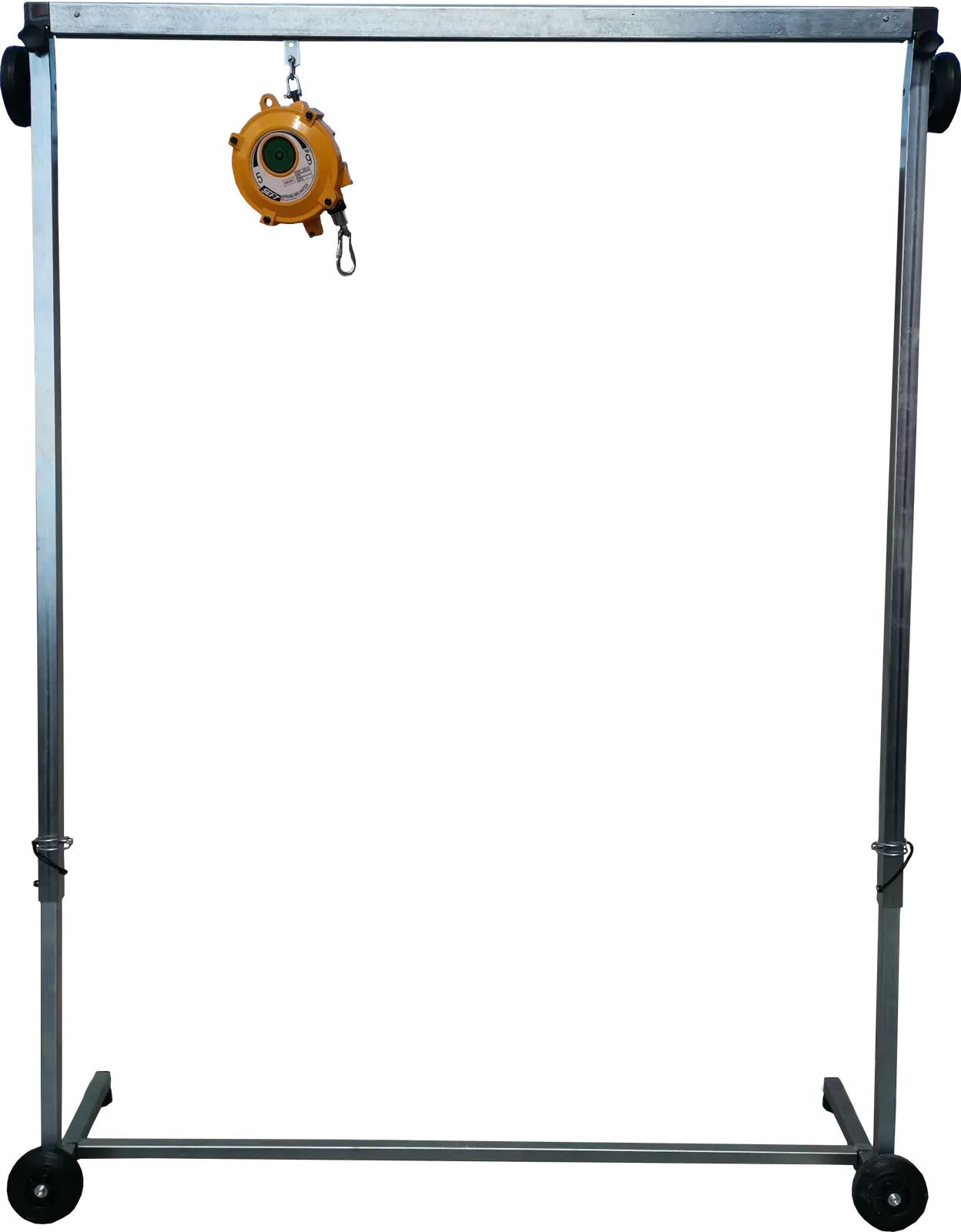
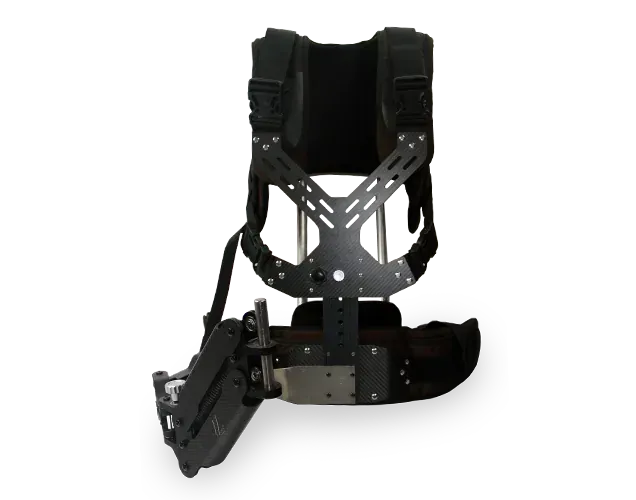
Working in full PPE is a physical ordeal. The simple fact of breathing into a powered respirator adds continuous cardiac fatigue. If on top of that the operator has to hold a grinder overhead for hours, the session ends much sooner. That is why our Mygale gantry, our Gecko load balancer and our Scourpio exoskeleton are offered for asbestos jobsites.
The Gazelle carries the ceiling grinder on its rack-and-pinion mast, height set with a crank. The operator only has to guide the machine. The Scourpio provides effort assistance for operations that still require holding the machine in hand, like corners or restricted areas.
Which documents come with the equipment?
Sept Tools delivers each machine with its serial number, instructions, technical data sheet and the manufacturer’s EC declaration of conformity. These documents describe the equipment; the work itself is assessed on site, under the contractor’s responsibility.
This is also why our sales staff know the trade. They do not sell a grinder to an asbestos contractor the same way they sell to a painter: there are questions to ask, constraints to validate, configurations to adapt. This field knowledge matters in a specialised market.
Verified field results
Our captive grinding system was put to the test on a live NHS hospital site in the UK: more than 1000 m² of textured asbestos coating removed in 4 productive weeks, with independent air monitoring (UKAS-accredited laboratory) confirming dust levels 5 times below the UK control limit of 0.1 f/ml.