Brushless vs brushed: what difference for construction?
Everything about brushless motors in construction: how they work, measured benefits, health impact and a side-by-side comparison with traditional brushed motors.
20,000 h vs 800 to 1,500 h on brushed
vs 88 to 92 dB(A) on brushed
vs 5 to 9 m/s² on traditional machines
25 points more than a brushed motor
For a decade, professional power tools have gradually shifted to brushless technology. For a construction buyer, the question is no longer “is it worth it?” but “at what usage level does the investment pay off?”. This technical comparison answers both questions, based only on standard measurements.
What is a brushless motor?
A brushless motor is an electric motor in which permanent magnets are placed on the rotor and windings on the stator, with current electronically switched by a controller instead of flowing through carbon brushes and a commutator. In a traditional motor (called “brushed”), current is delivered to the rotor through mechanical contact between carbon brushes and a commutator. This contact causes three unavoidable effects: mechanical wear, sparking and friction losses.
A brushless motor reverses the logic. Permanent magnets are placed on the rotor and the windings on the stator. Current no longer flows through any moving contact: it is electronically switched by a controller that synchronises coil power with rotor position. No more electrical friction, no more wear parts inside the motor.
How it works
The permanent magnet rotor
The rotor consists of a steel core onto which neodymium-iron-boron magnets are bonded. These are the most powerful magnets currently available, with five times the energy density of ferrite magnets. They allow a high specific torque without requiring rotor windings.
The wound stator
The coils are fixed, which simplifies thermal dissipation. They are powered by a three-phase AC current generated by the electronic controller from the DC battery or rectified mains current.
The electronic controller
This is the brain of the system. It reads the rotor position (via Hall sensors or back-EMF measurement) and switches the coils at the exact frequency that produces maximum torque. The controller also enables fine speed regulation, current limiting under overload and energy recovery during braking.
What are the measurable advantages of brushless motors in construction?
How long does a brushless motor last compared to a brushed motor?
A brushless motor reaches 20,000 hours of motor service life, about 10,000 hours of real use, compared to 800 to 1,500 hours for a brushed construction-grade motor, a ratio of one to twenty-five. The copper commutator erodes more slowly but eventually needs to be machined or replaced. Useful service life of a brushed construction-grade motor caps between 800 and 1,400 hours.
A brushless motor has no internal wear parts. Only the rotor bearings wear, over 20,000 hours. The gap is one to twenty-five.
How much quieter is brushless on a construction site?
A brushless grinder operates at 60 dB(A) under load, compared to 88 to 92 dB(A) for a brushed equivalent, a difference that represents noise perceived about 8 times lower. By removing them, brushless drops to remarkable levels:
- brushed grinder under load: 88 to 92 dB(A)
- equivalent brushless grinder: 60 dB(A)
A 30 dB difference represents noise perceived about 8 times lower. On a jobsite, conversation becomes possible again and noise exposure (per EN ISO 9612) drops below action thresholds.
Does brushless reduce vibration and the risk of MSDs?
Brushless does not eliminate mechanical vibration (disc imbalance, bearing play) but it removes the electrical vibration caused by imperfect commutator switching. Combined with better rotor balancing, this allows handle vibration to drop below 0.4 m/s², compared to 5 to 9 m/s² for traditional machines.
Energy efficiency
- brushed motor: 65 to 75 % of electrical energy converted to mechanical
- brushless motor: 92 to 96 %
Practically, a 5 Ah battery lasts 30 % longer on a brushless machine. For corded tools, mains consumption drops accordingly.
Does a brushless motor maintain torque under full load?
A brushless motor maintains nominal torque across the full useful speed range because the controller actively compensates for speed drop, unlike a brushed motor that loses 25 to 30 % of torque when fully loaded. Its torque-speed curve slopes downward. A brushless motor maintains nominal torque across the full useful range because the controller actively compensates for speed drop. The operator feels a machine that “never tires”. This constant torque is especially valuable on a concrete floor grinder, where operators expect consistent power across a full session.
What are the drawbacks of brushless technology?
Brushless technology has two limits: a purchase price 30 to 50 % higher than brushed motors due to the electronic controller and neodymium magnets, and greater electronic sensitivity since a controller fault can disable the motor.
- Higher purchase price. The electronic controller and neodymium magnets add a 30 to 50 % surcharge to catalogue prices. This gap is recovered within 12 to 18 months of intensive use through avoided maintenance and longer service life.
- Electronic sensitivity. A brushed motor runs as long as it has current. A brushless motor can be disabled by a controller fault. Sept Tools warrants its controllers for 5 years to neutralise this risk.
Health impact on operators
Beyond mechanical performance, brushless changes everything regarding health.
Can switching to brushless prevent musculoskeletal disorders?
Switching to brushless can remove operators from the risk zone for musculoskeletal disorders by reducing handle vibration from 7 m/s² to 0.4 m/s², below the thresholds defined by EU directive 2002/44/EC and the US NIOSH limits. Carpal tunnel syndrome and Raynaud’s phenomenon are directly linked to hand-arm vibration exposure. Moving from 7 m/s² to 0.4 m/s² takes the operator out of the risk zone defined by EU directive 2002/44/EC and the US NIOSH limits.
Noise and hearing loss
Prolonged exposure to over 85 dB(A) causes irreversible hearing damage. A brushed grinder running 6 hours per day puts the operator at an Lex,8h close to 90 dB(A). The same brushless grinder places them at 65 dB(A), well below all action thresholds.
Dust
Brushless does not directly affect dust emissions but allows electronically variable vacuums to be synchronised with the tool. Airflow adapts automatically to load, maximising source capture.
Sept Tools, the only fully brushless French manufacturer
Sept Tools is the only French manufacturer to have moved its entire construction line to brushless. Grinders, drills, groove cutters, planes and bush hammers: every product is designed, assembled and tested in Roanne (France) with motors and controllers developed in-house.
This vertical integration ensures vibration and acoustic consistency across the entire tool chain, something an assembler relying on outsourced motors cannot offer.
To explore the full range, see the Sept Tools products page or use the configurator to size your needs.
Conclusion
Brushless is not a marketing label, it is a generational technology shift. For professional construction use, the numbers speak for themselves: a motor that lasts thirteen times longer on a motor-only basis (20,000 h vs 1,500 h) and sixteen times longer in use (10,000 h vs 600 h), fifteen times less vibration, noise perceived about 8 times lower, 25 percentage points more efficiency. The purchase premium is recovered in less than two years for any tool used more than 4 hours per day.
For a construction industry facing physical strain, silica, MSDs and skilled labour shortages, brushless is the only defensible technical standard today.
Sept Tools Configurator
Find your ideal set in 2 minutes
Guided questionnaire: grinder, vacuum and anti-fatigue accessories matched to your jobsite.
What operators face on site
Constant brush maintenance
Brushes wear out in 80 to 150 hours and require regular replacement in workshop or onsite.
No internal wear parts on brushless: only bearings are replaced after 20,000 hours.
Torque drop under load
A brushed motor loses 25 to 30 % of torque at full load, the operator compensates by pushing harder.
The brushless electronic controller maintains nominal torque across the full useful speed range.
High jobsite noise
88 to 92 dB(A) under prolonged use places the operator above the daily Lex,8h exposure threshold.
Typical 60 dB(A), noise perceived about 8 times lower, well below action thresholds.
Obsolete technical standard
Buying a brushed fleet in 2026 commits the company to re-equipping within 18 to 24 months.
A 100 % brushless range guarantees 5 to 8 years of operation with no major renewal.
Before / After Sept Tools
Traditional brushed motor
- 800 to 1,500 hours of motor service life, about 600 hours of real use
- Vibration 5 to 9 m/s² at the handle
- 88 to 92 dB(A) under load
- Energy efficiency 65 to 75 %
- Torque drops 25 to 30 % at full load
- Brush maintenance every 80 hours
Sept Tools brushless
- 20,000 hours with no motor intervention
- 0.2 to 0.4 m/s² measured at the handle
- 60 dB(A) constant, conversation possible
- 92 to 96 % efficiency, 30 % battery savings
- Constant torque across the full speed range
- Zero motor maintenance over 5 years
Equipment featured in this article
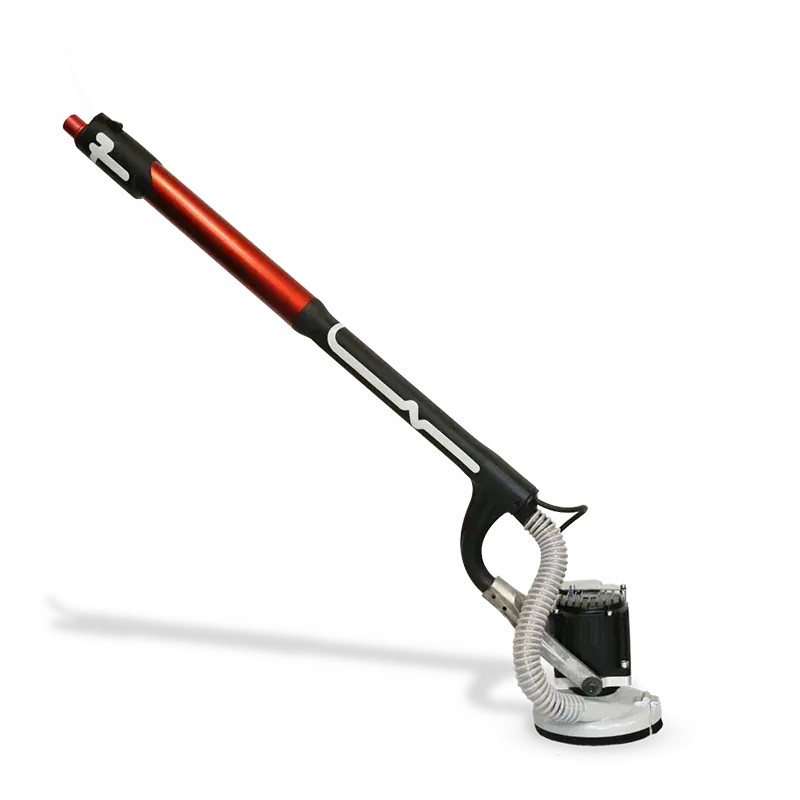
Fouine XB165
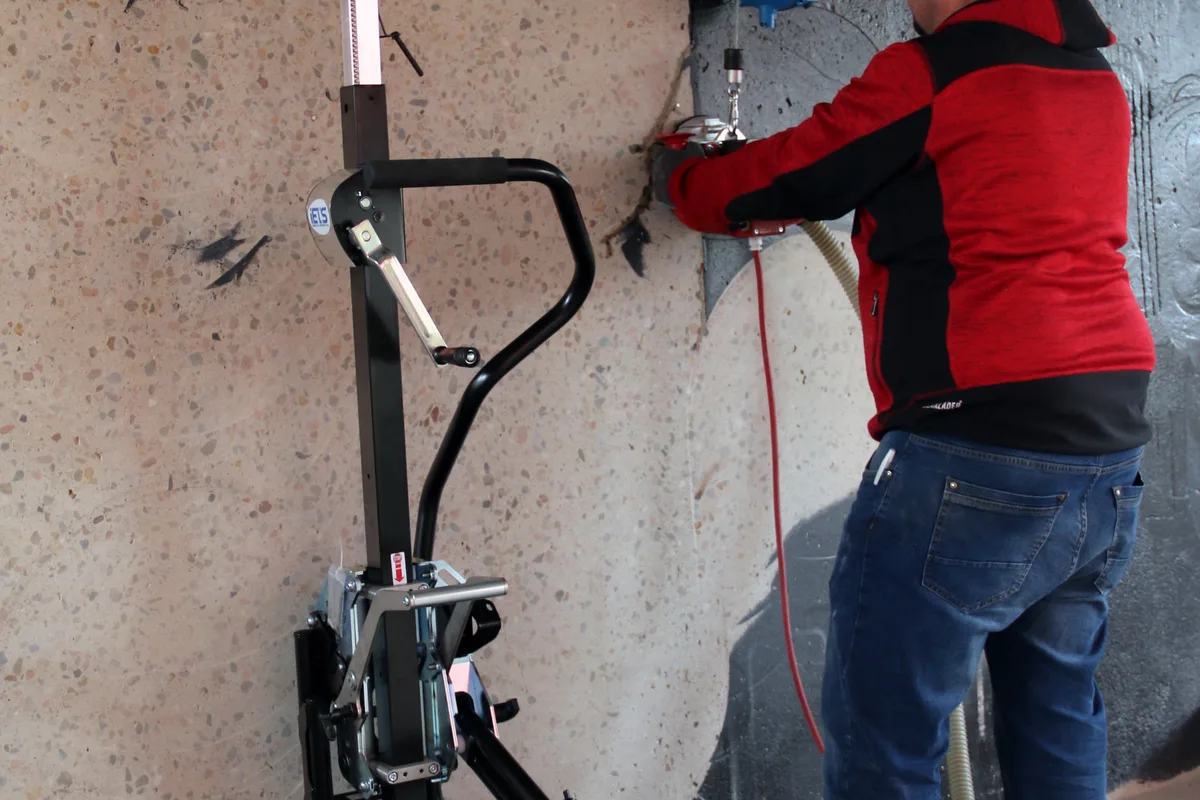
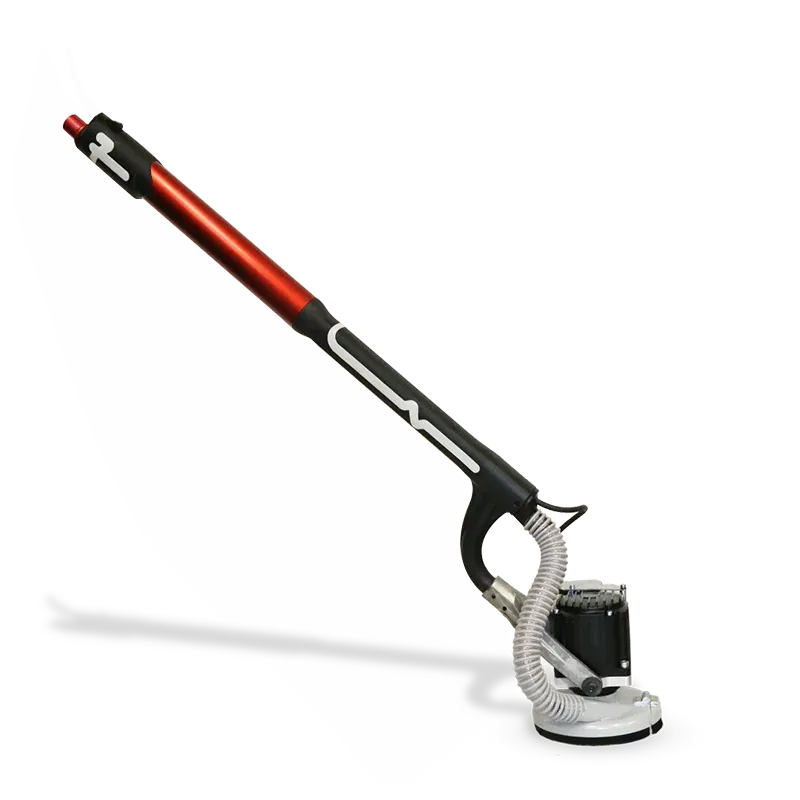
Brushless ceiling grinder 1600 W, 0.35 m/s² vibration
View product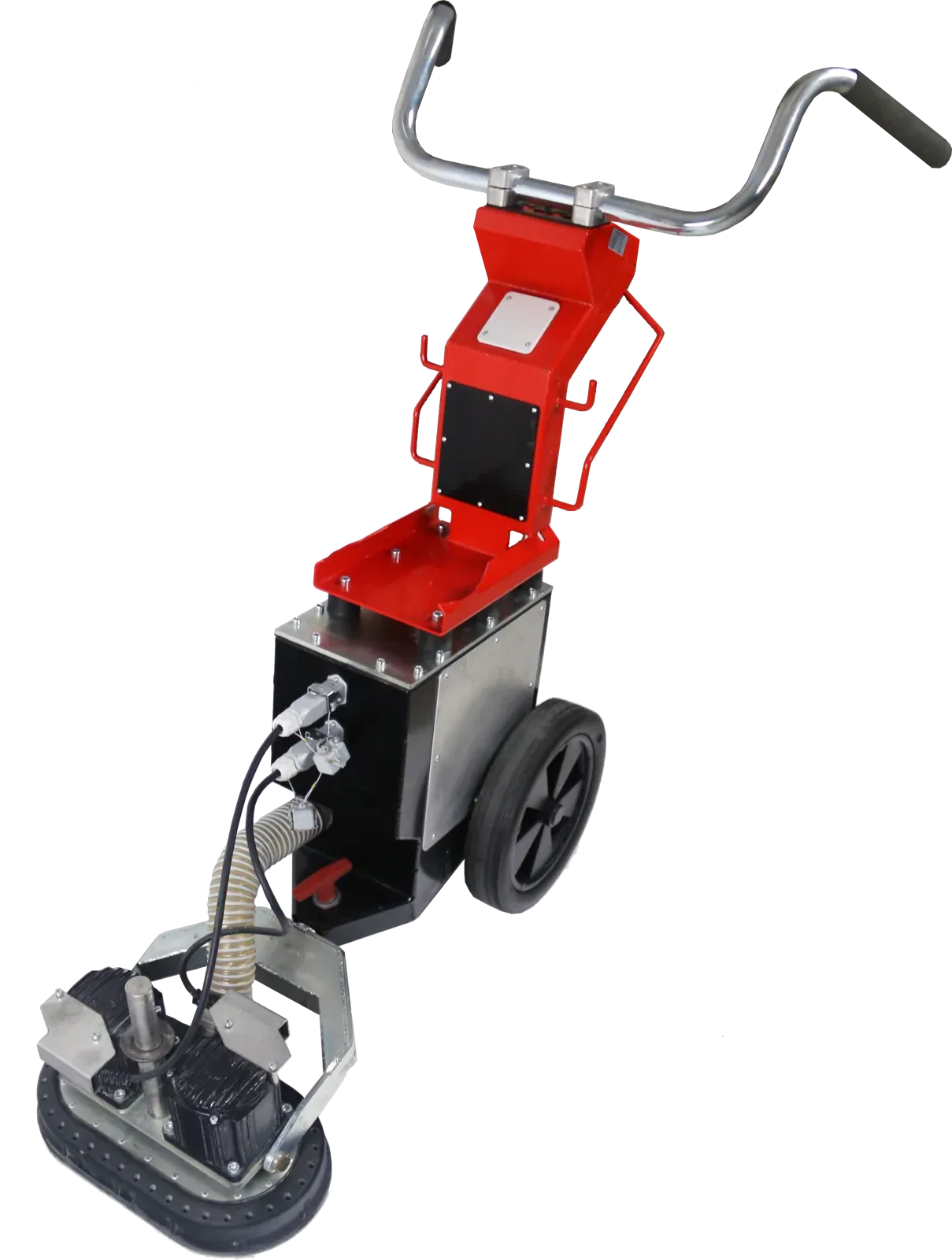
Tapir
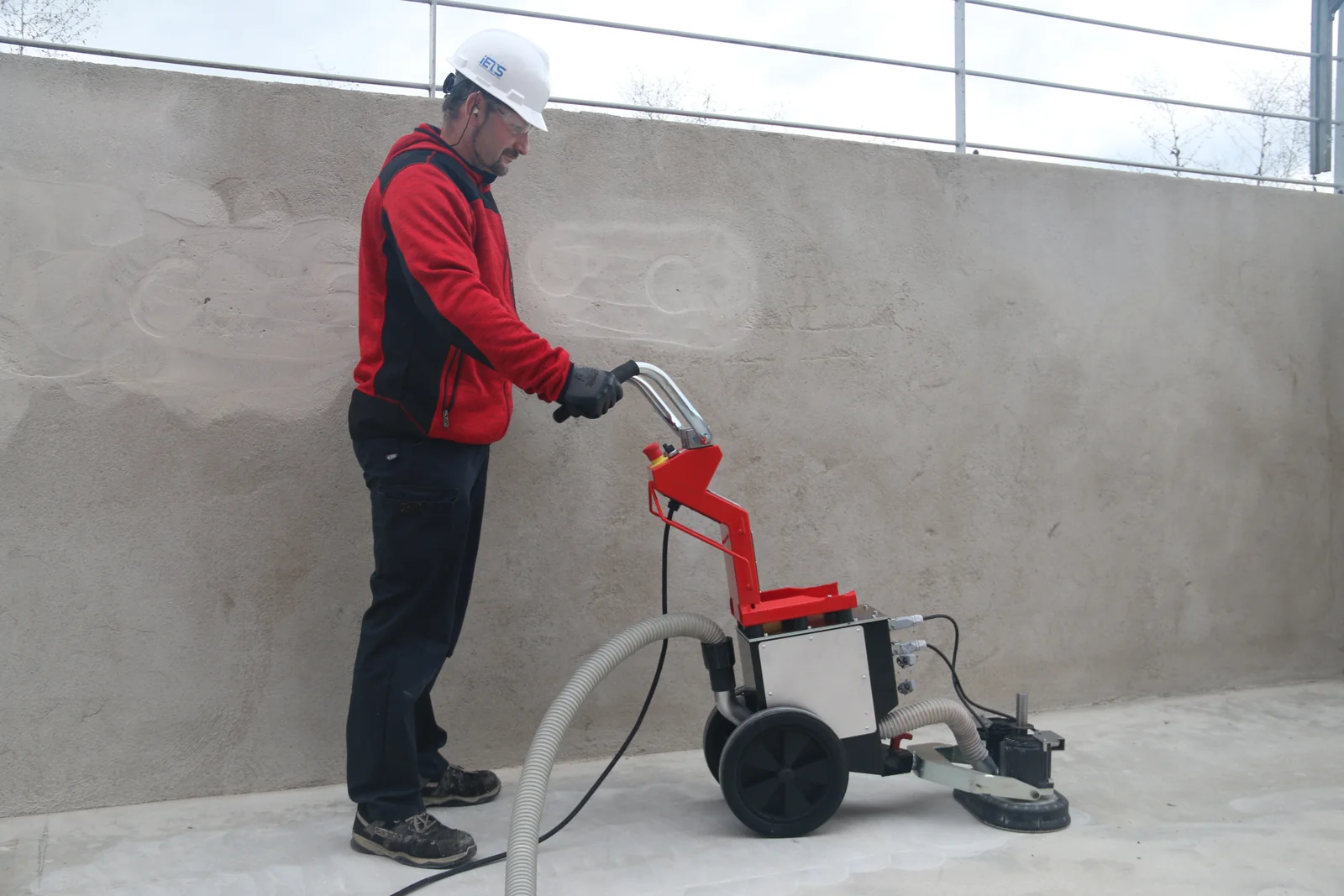
Brushless floor grinder with constant torque and low noise
View product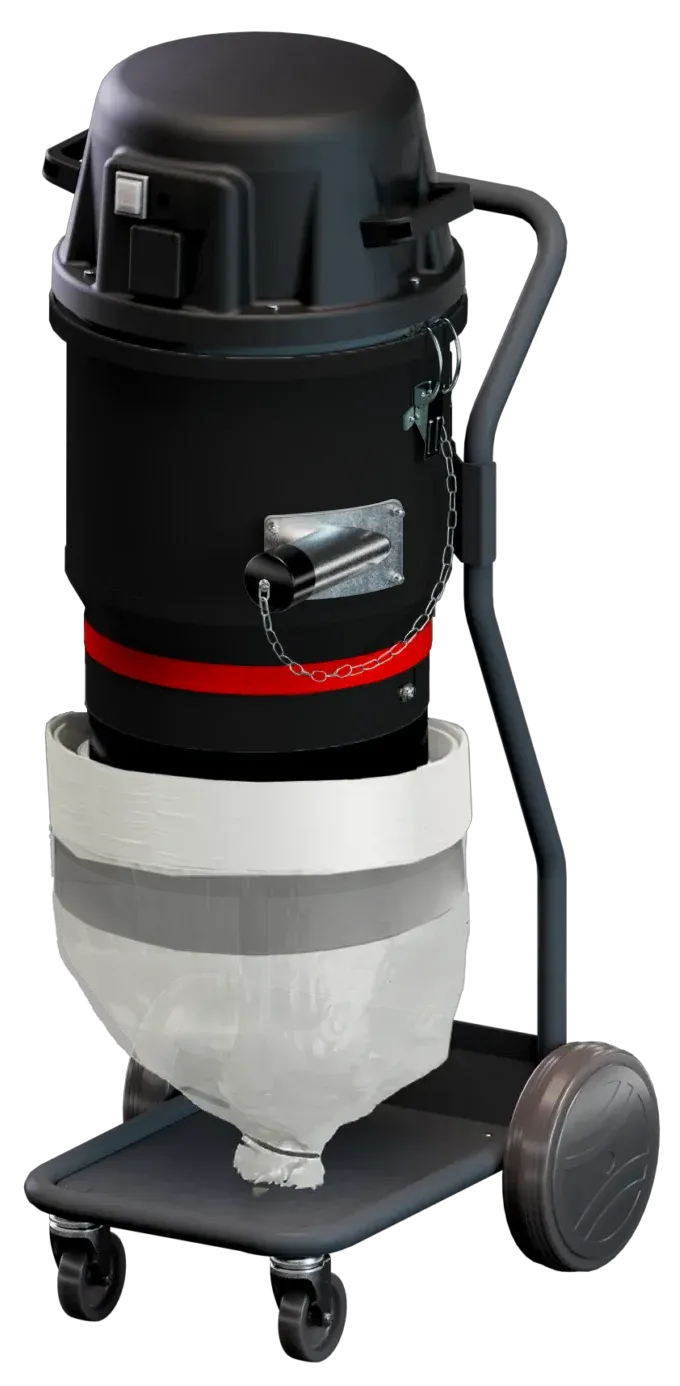
IU33 Longopac
Class M/H synchronised vacuum with continuous bagging
View product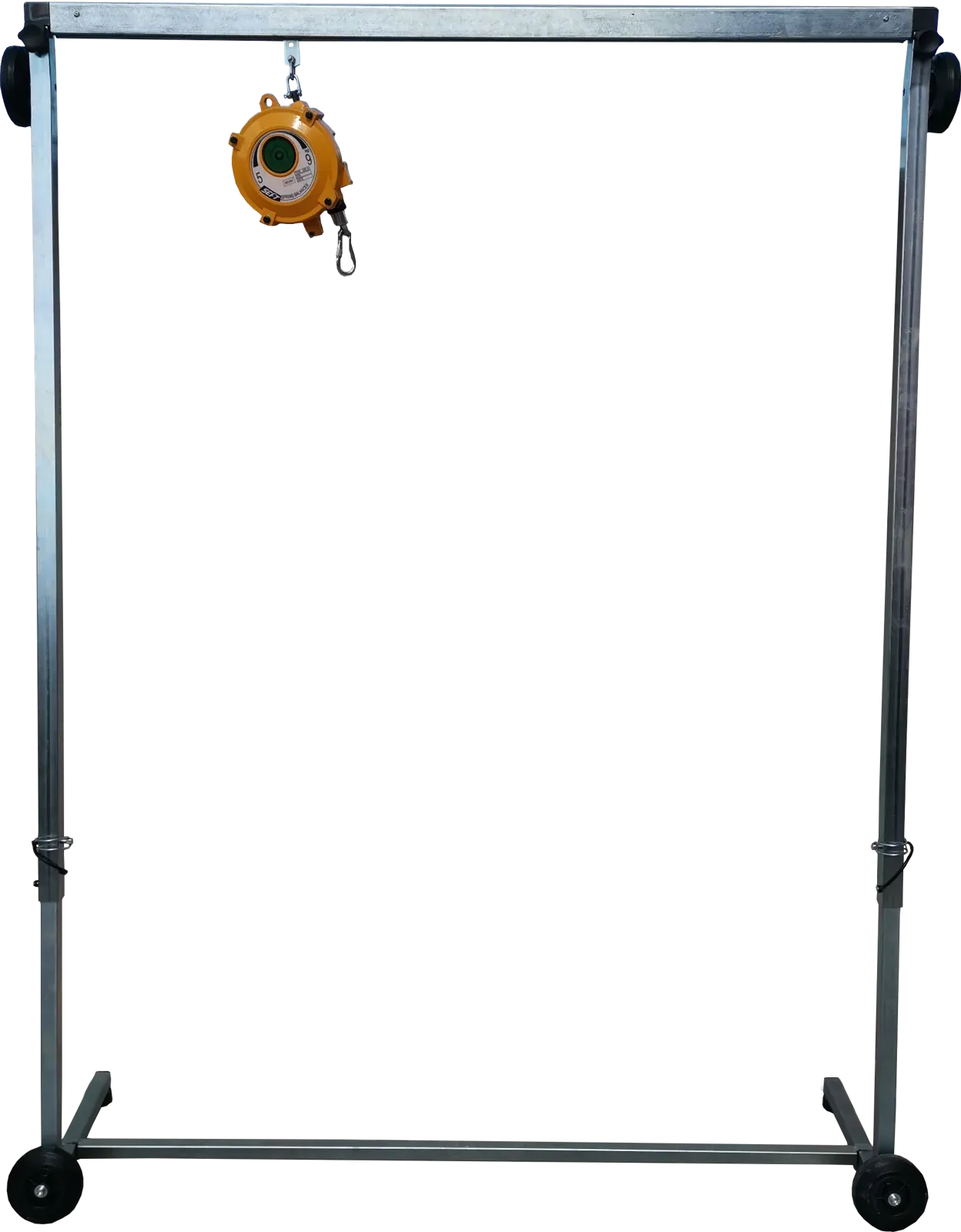
Mygale
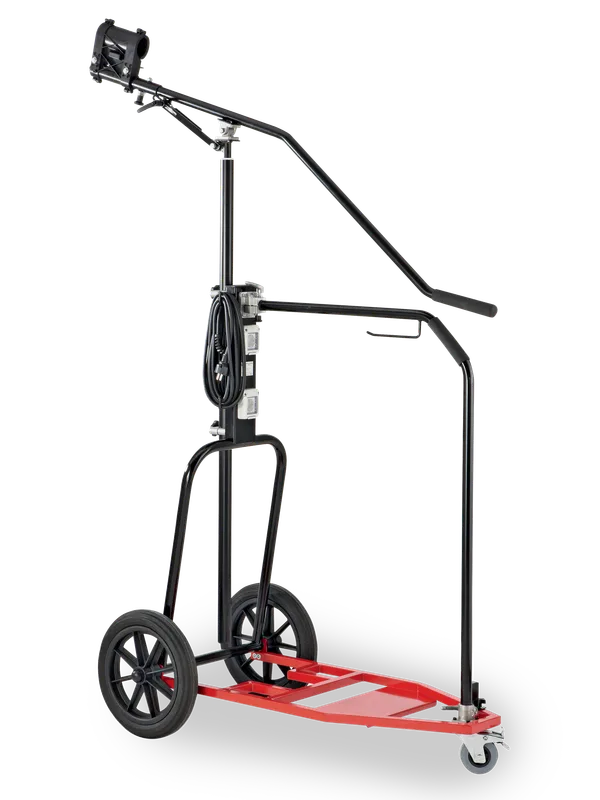
Grinding cart compatible with the entire brushless range
View productFree guide: 5 mistakes that shorten the life of your grinder
12 pages of practical tips for your job sites.
Frequently asked questions
Can a brushless motor fail?
Is brushless really quieter?
Does a brushless motor need maintenance?
Does brushless consume less energy?
Brushless vs brushed: what difference for construction?
The difference between brushless and brushed motors in construction (lifespan, vibration, standards) draws on Afnor standards, directive 2002/44/EC and Cnam prevention. Reference sources.
 Cnam (Assurance Maladie)Official source
- AFAfnor (normes NF / EN ISO)Official source
 Directive europeenne 2002/44/CE (vibrations)Official source
Sept Tools cites these bodies and programmes for information only. Their mention implies no partnership, affiliation or endorsement by them. Always check the current terms on their official websites.
Find your ideal set
Configure your machine + ergonomics + vacuum combination in a few clicks.