Crystalline silica and concrete floor grinding: what are your obligations?
Respirable crystalline silica from concrete floor grinding is a recognised occupational health hazard in the UK. What HSE guidance expects from employers, and how on-tool extraction fits in.
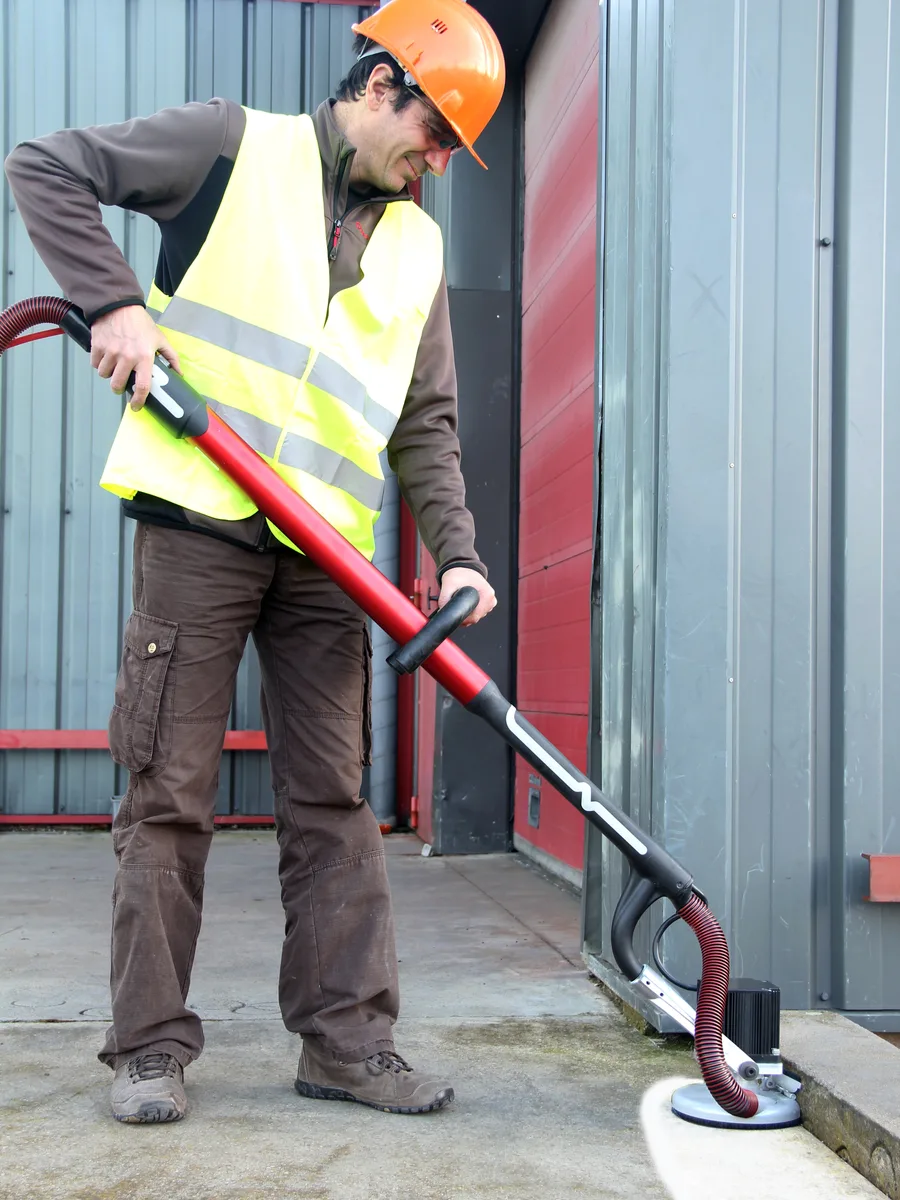
Grinding concrete releases dust, and part of that dust is respirable crystalline silica, a hazard that UK health and safety guidance takes seriously. Anyone specifying, hiring or running a floor grinder on a professional site needs to understand what is expected, in plain terms, before the disc touches the slab.
What is crystalline silica and why is it dangerous?
Crystalline silica is a mineral found naturally in concrete, mortar, sandstone, granite and many other construction materials. When these materials are cut, ground, drilled or chiselled, some of the dust produced is fine enough to stay airborne and be inhaled deep into the lungs: this respirable fraction is what HSE guidance refers to as respirable crystalline silica, or RCS.
Why does particle size matter more than the amount of dust?
Because only the finest fraction reaches the deep lung, where the damage actually happens. Visible dust clouds are alarming but not the whole picture: RCS particles are small enough to be invisible to the naked eye, so a job can look reasonably clean and still be generating a harmful concentration of the fine fraction that matters most for health.
What health effects does long-term exposure cause?
Repeated exposure to RCS over years is linked to silicosis, an irreversible scarring of the lungs, along with an increased risk of other serious respiratory conditions. The damage builds up gradually and cannot be reversed once it has occurred, which is why HSE guidance focuses on preventing exposure at the point the dust is created rather than managing symptoms afterwards.
What does HSE guidance expect from employers?
HSE guidance expects employers to control exposure to hazardous substances, including RCS, at source wherever reasonably practicable, following the general hierarchy set out in COSHH (Control of Substances Hazardous to Health) principles. In practice for grinding work, that means assessing the risk of the task, choosing tools and methods that generate less dust or capture it at source, and only relying on respiratory protective equipment as a last line of defence rather than the first.
Is a dust mask enough on its own?
No, an FFP3 mask or similar respiratory protective equipment is intended to supplement proper source control, not replace it, under the standard HSE hierarchy of controls. Relying on RPE alone leaves exposure control entirely dependent on correct fit, consistent wear and filter condition, all of which are harder to guarantee across a working day than a fixed extraction system built into the tool.
What is on-tool extraction and why does HSE guidance favour it?
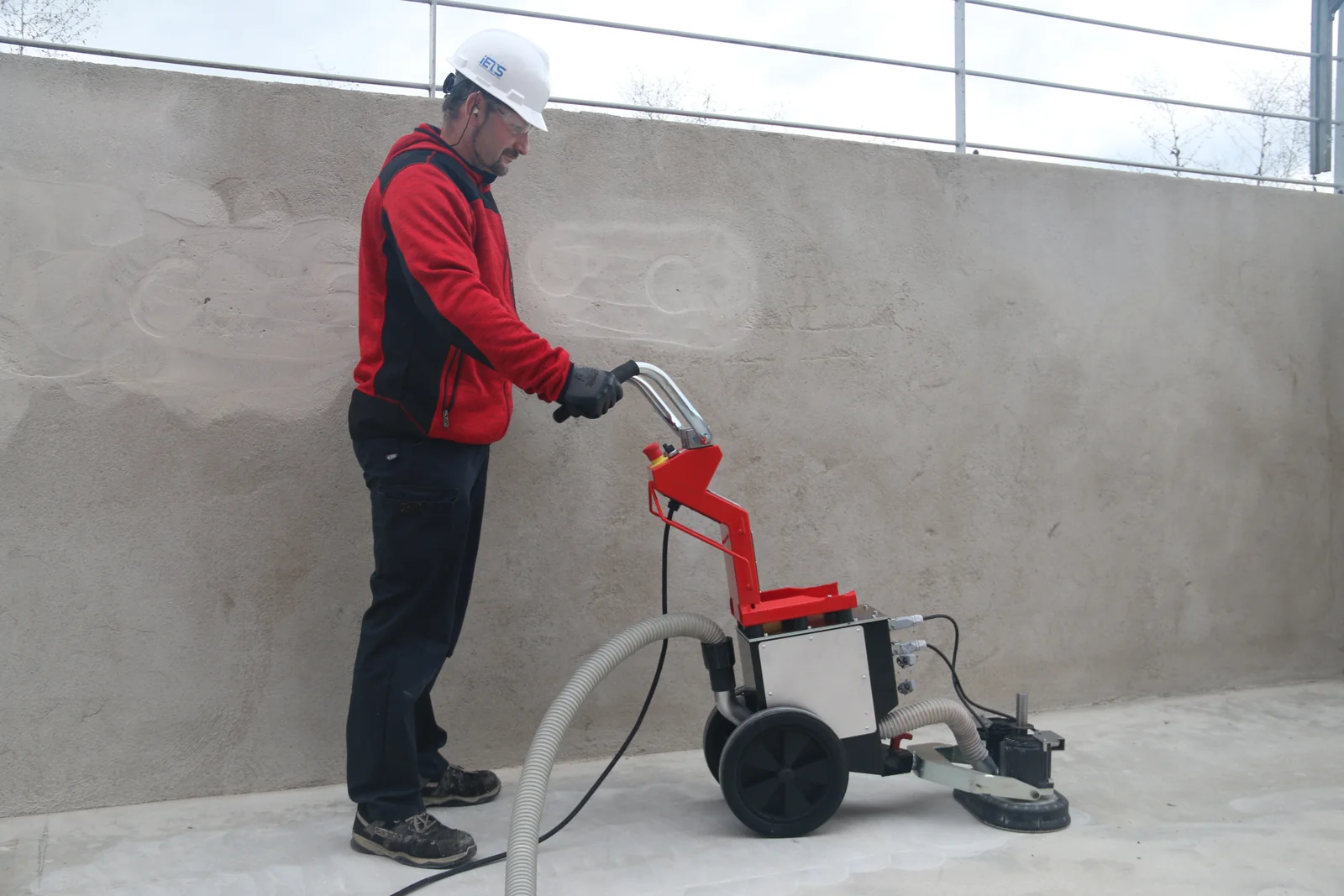
On-tool extraction means the floor grinder or single head concrete grinder is connected directly to a vacuum unit that captures dust at the point it is created, before it becomes airborne. HSE guidance favours this approach because it removes the hazard at source, the most effective and most reliable step in the control hierarchy, rather than relying on the dust dispersing safely or being filtered out of the air after the fact.
What kind of vacuum does silica work actually need?
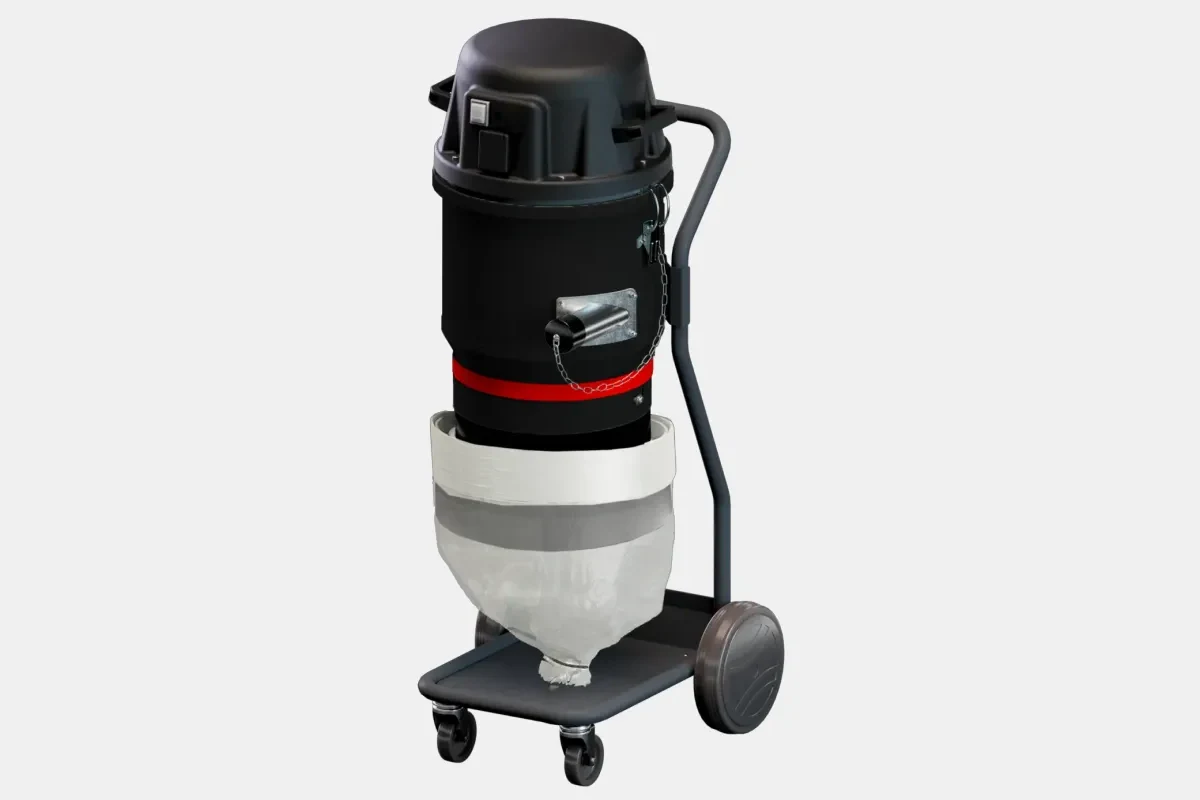
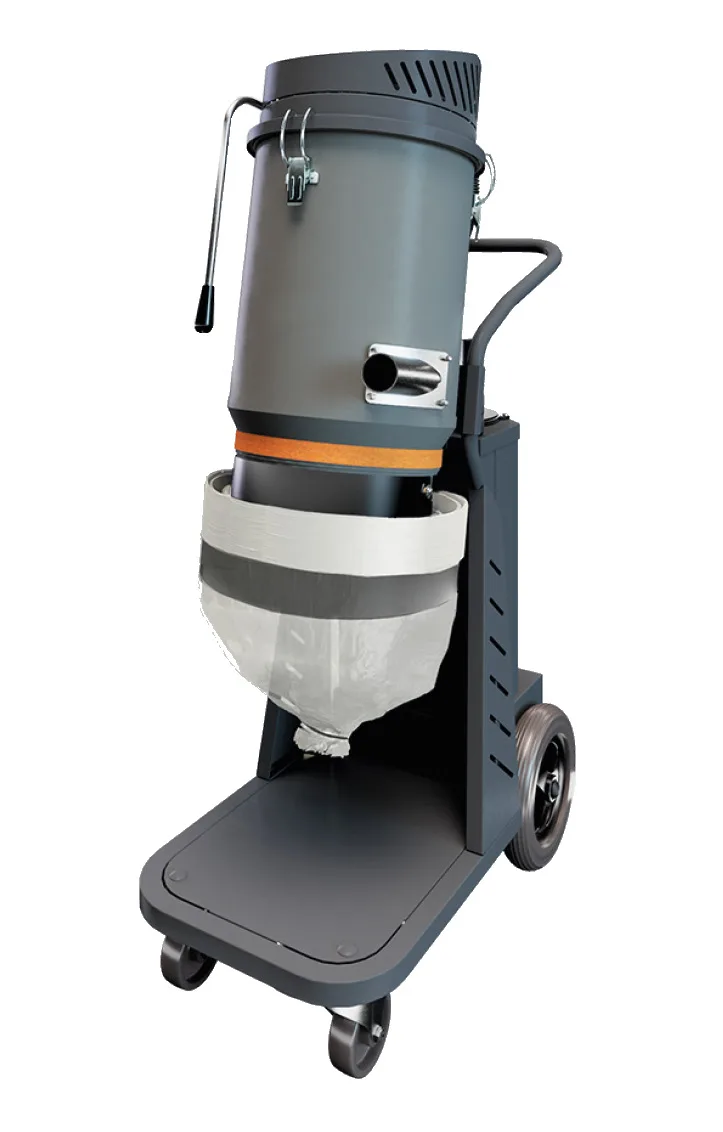
Silica work needs a class H vacuum, the highest hazard-dust category, built to capture the very fine, carcinogenic particles that ordinary vacuums are not designed to filter. Vacuum classification runs from class L (low hazard, general dust) through class M (moderate hazard) to class H (high hazard, including RCS and other carcinogenic dust), and using a lower-class unit on silica-generating work does not provide adequate protection.
What does H-class filtration actually mean in practice?
An H-class unit is built around HEPA-grade filtration, commonly H13-rated media, capable of capturing the very fine particles that make up the respirable fraction of concrete dust. This is a meaningfully different specification from a standard workshop vacuum, and it is the detail worth checking before assuming any dust extraction setup is fit for silica-generating work.
Does the grinder itself need to be built for extraction, or is any vacuum enough?
The grinder and the vacuum need to work as a matched system, because a powerful vacuum connected to a poorly sealed grinder head still lets dust escape at the point of contact with the concrete. A machine designed for professional dust control, sealed against ingress to an IP65 standard and built with a shroud that channels dust towards the extraction point, gets far closer to the source-capture goal than bolting a vacuum onto a tool that was never designed around it.
What should a responsible operator actually do on site?
Treat silica control as a system, not a single product. That means assessing the task, choosing a grinder built for source extraction, matching it to a genuine class H vacuum, training the operator on correct use of both, and keeping RPE as the backstop rather than the plan. A brushless grinder, built for long duty cycles without the overheating and power loss that shortens a brushed machine’s working life, keeps that system running consistently for a full working day rather than only for the first hour.
Who is responsible for getting this right?
Employers carry the primary duty of care for controlling exposure on their sites, but the practical result depends on the whole chain: the equipment specified, the training given, and the discipline of using extraction correctly on every pass, not just the ones an inspector might see. Getting the equipment right at the outset removes most of the day-to-day judgement calls that put workers, and employers, at risk.
Sept Tools Configurator
Find your ideal set in 2 minutes
Guided questionnaire: grinder, vacuum and anti-fatigue accessories matched to your jobsite.
Free guide: 5 mistakes that shorten the life of your grinder
12 pages of practical tips for your job sites.
Frequently asked questions
What is respirable crystalline silica and why does it matter on a grinding job?
Is dust extraction legally required for concrete grinding in the UK?
What is the difference between a class M and a class H vacuum for silica?
Do employees need training on silica dust risks?
Find your ideal set
Configure your machine + ergonomics + vacuum combination in a few clicks.