Floor grinder, single head grinder, single disc machine: which one do you need?
Concrete floor grinder, single head grinder and single disc machine are not the same tool. A clear guide to the vocabulary, the jobs each one does, and which to hire or own.
Searching “floor grinder” or “single disc machine” online mostly returns hire company listings, which makes the vocabulary feel interchangeable. It is not: these are different machines built for different stages of a concrete floor, and buying the wrong one wastes a day on site.
What is a concrete floor grinder?
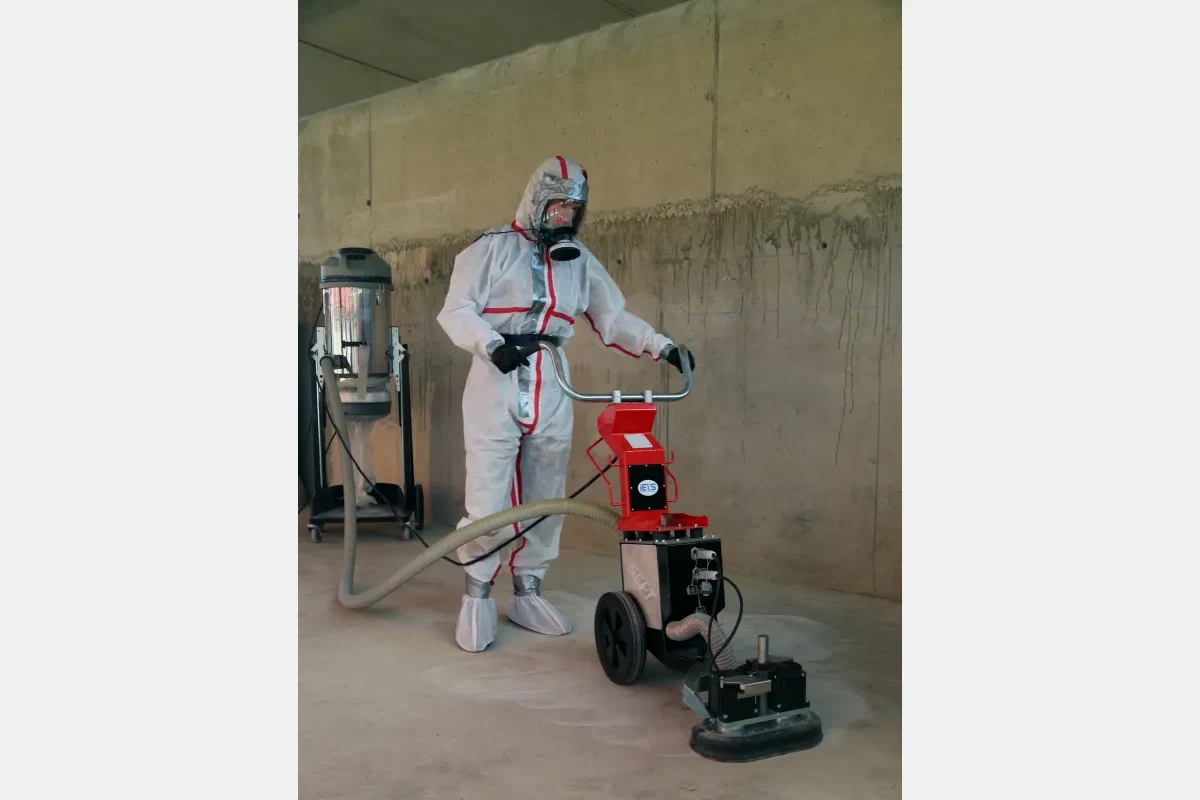
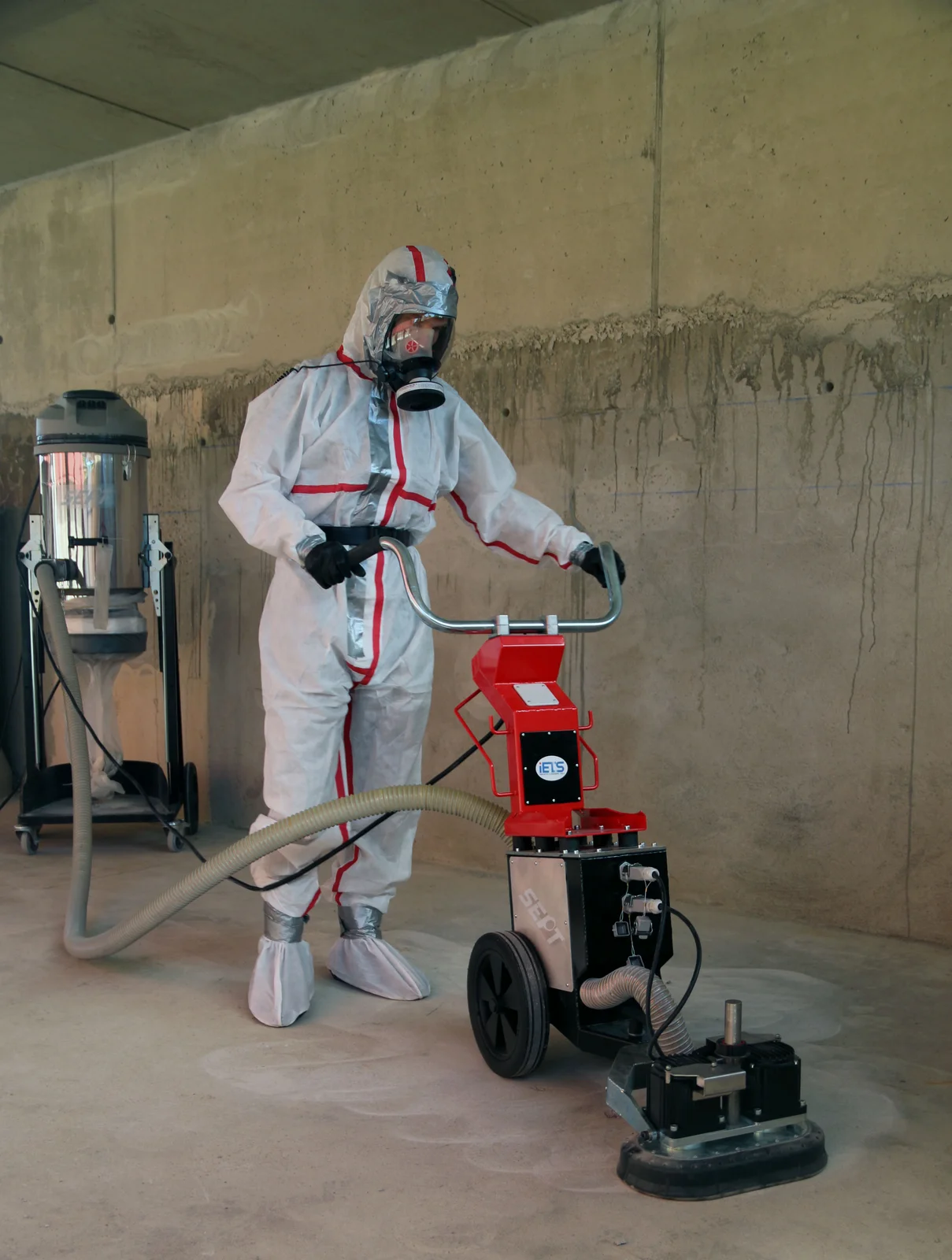
A concrete floor grinder, sometimes called a single head grinder, is a machine that carries a rotating head fitted with diamond segments or plates to remove material from a cured concrete surface. It works on coatings, old adhesive residue, laitance, high spots and general unevenness before a new floor finish goes down. The “single head” name refers to the machine having one rotating disc under the housing, as opposed to multi-head planetary machines used on larger commercial floors.
Why is it called a single head grinder and not just a sander?
Because the tool removes material rather than smoothing a surface that is already sound. “Sanding” implies abrasive polishing of a finished surface; grinding implies cutting into concrete, screed or old coatings with diamond tooling. A professional floor grinder is specified by disc diameter, motor power and the diamond grit fitted, not by a generic “sander” rating.
What jobs actually need a single head grinder?
Any job that removes material rather than polishes it. That covers stripping paint or epoxy from a warehouse floor, levelling a slab before tiling, opening the surface (a light “key”) before a self-levelling screed, or preparing concrete for a new resin coating. If the brief is “make this floor flat and clean before the next trade arrives,” it is grinder work.
What is a single disc machine used for?
A single disc machine, also called a rotary machine or low-speed floor machine, is built for maintenance tasks: scrubbing, stripping wax, buffing, polishing and pad-based cleaning at low rotational speed. It is the machine a facilities team runs weekly on a finished floor, not the machine a contractor runs to prepare a raw slab. Fitted with the right pad it can also apply cleaning chemicals evenly across a large area.
Can a single disc machine replace a floor grinder?
No, because the two machines are built around opposite goals: a single disc machine spreads pressure gently over a wide pad, while a grinder concentrates cutting force through diamond segments. Trying to remove a coating with a rotary machine and an aggressive pad will overheat the pad, glaze the concrete instead of cutting it, and leave the job half done.
Which one does a facilities manager need day to day?
Usually the single disc machine, because routine floor care is maintenance, not preparation. A facilities or cleaning contract calls for scrubbing, buffing and the occasional strip-and-reseal, all rotary machine territory. A single head grinder only comes out when the floor itself is being altered: a refurbishment, a change of finish, or damage repair.
What is an edge grinder and do I need one too?
An edge grinder is a smaller, lighter machine built to finish the strip along walls, columns and steps that a main floor grinder cannot reach. Every single head grinder leaves an unworked border because its housing and disc guard hold the diamond head back from vertical surfaces. On a small room this border might be a few centimetres; on a warehouse perimeter it adds up to a meaningful area that still needs the same finish as the rest of the floor.
Is skipping the edge grinder ever acceptable?
Only if the untouched strip will be covered by skirting, a wall base or furniture afterwards. On an exposed polished concrete floor, or anywhere the perimeter stays visible, an unworked border is an obvious defect to a client walking the site. Budgeting for an edge pass alongside the main concrete floor grinder avoids a return visit.
Hire or own: what actually makes sense in the UK?
For a single job, hiring wins on cost. Search results for “floor grinder hire UK” dominate because most buyers only need the machine once or twice, and UK hire rates for a single head grinder typically sit around 40 to 70 GBP a day depending on disc size and region. For that use case, hiring is the right call and nobody should be sold a machine they will use twice a year.
At what point does owning start to pay off?
Once a business runs floor preparation regularly, ownership usually wins on total cost and availability. A contractor doing two or more grinding jobs a month is paying hire rates repeatedly, often at short notice when hire stock is booked out on a popular weekend, and covering wear on a machine they never actually own. A brushless machine built for continuous site use, rated IP65 against dust and water ingress with vibration levels around 0.35 m/s2 at the handle, is designed to be run daily rather than borrowed occasionally, and that reliability is exactly what a regular user is paying for when they buy instead of hire.
What should a regular buyer prioritise over a one-off hirer?
Duty cycle and dust control matter more to an owner than to a one-off hirer, because the same machine will run for years across many jobs. Brushless motors on a well-specified grinder are built for a long service life without carbon brush replacement, and pairing the grinder with proper on-tool dust extraction protects both the operator and the motor from the abrasive concrete dust that shortens the life of cheaper tools.
Choosing the right machine for the job in hand
Match the machine to the task, not the search term. If concrete needs material removed, that is a single head grinder plus an edge grinder for the perimeter. If a finished floor needs cleaning or polishing, that is a single disc machine. Buying or hiring the wrong category costs a day and a disappointing finish either way.
Sept Tools Configurator
Find your ideal set in 2 minutes
Guided questionnaire: grinder, vacuum and anti-fatigue accessories matched to your jobsite.
Free guide: 5 mistakes that shorten the life of your grinder
12 pages of practical tips for your job sites.
Frequently asked questions
What is the difference between a floor grinder and a single disc machine?
Can a single disc machine grind concrete?
Is an edge grinder a separate machine?
Is it cheaper to hire or own a floor grinder?
Find your ideal set
Configure your machine + ergonomics + vacuum combination in a few clicks.